






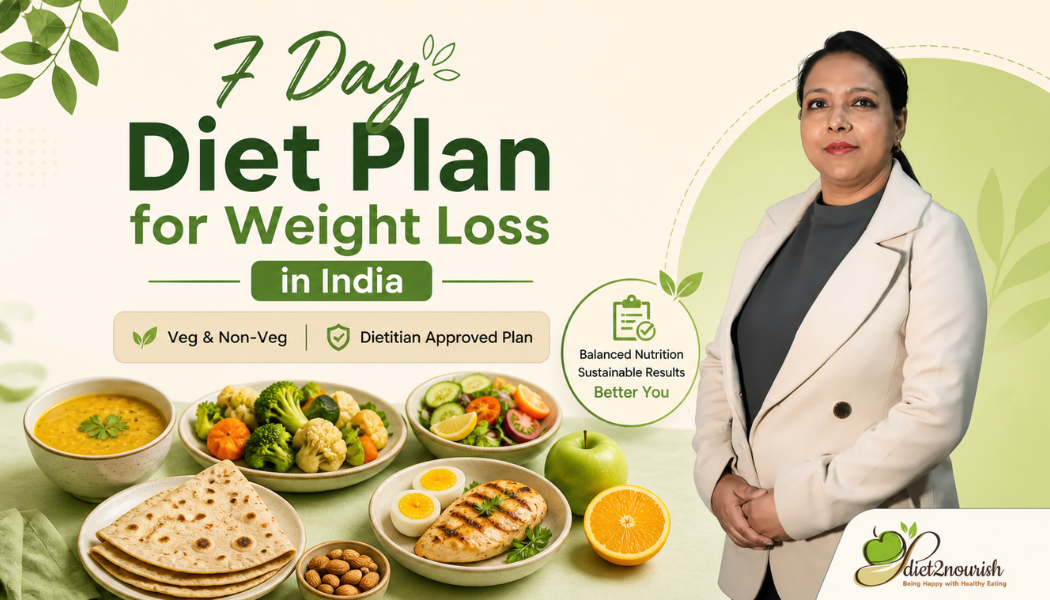
Achieving healthy and sustainable weight loss is not about extreme dieting or short-term restrictions—it’s about following a structured, nutritionally balanced plan that your body can maintain. A well-designed 7-day diet plan for weight loss can help initiate fat loss, improve metabolism, and build better eating habits when aligned with your individual needs and lifestyle.
In the Indian context, diet planning must consider daily food preferences, cultural eating patterns, and accessibility of ingredients. This guide presents a scientifically balanced 7-day diet plan for weight loss in India, with both vegetarian and non-vegetarian options. Each meal is designed to provide the right combination of protein, complex carbohydrates, healthy fats, and fiber to support fat loss while maintaining energy levels.
It is important to understand that weight loss varies from person to person based on factors such as age, metabolic rate, activity level, and medical history. This plan is intended as a general guideline to help you get started. For long-term results and personalized nutrition, consulting a qualified dietitian is always recommended.
Quick Overview: 7-Day Diet Plan for Weight Loss
A structured 7-day diet plan for weight loss is designed to create a mild calorie deficit while ensuring your body receives adequate nutrition. The goal is not rapid weight loss, but a safe and sustainable reduction in body fat along with improved metabolic function.
What Results Can You Expect?
- Average weight loss: 0.5 to 1.5 kg in 7 days (varies by individual)
- Initial reduction may include water weight, especially if dietary habits change significantly
- Visible improvements in bloating, energy levels, and digestion
Looking for a personalized weight loss plan tailored to your body and lifestyle? Consult a qualified dietitian in Delhi to get a structured, sustainable approach designed specifically for you. – Click here to Connect Best Dietitian in Delhi
How This Plan Works
This diet plan is based on three core nutritional principles:
- Calorie Control: Maintaining a controlled calorie intake without extreme restriction
- Balanced Macronutrients: Adequate protein, moderate carbohydrates, and healthy fats
- High Fiber Intake: To improve satiety, digestion, and appetite control
Who Can Follow This Plan?
This plan is suitable for:
- Individuals looking to start their weight loss journey
- Those who want a structured weekly meal plan
- People with sedentary to moderately active lifestyles
Important Note
This is a generalized diet plan and may not be suitable for individuals with:
- Medical conditions (such as diabetes, thyroid disorders, or PCOS)
- Specific dietary restrictions or allergies
- Pregnancy or lactation
In such cases, it is advisable to seek guidance from a qualified dietitian for a personalized approach.
How This Indian Diet Plan Supports Healthy Weight Loss
A well-structured Indian diet plan for weight loss works by creating a controlled calorie deficit while maintaining nutritional adequacy. The focus is not only on reducing calorie intake, but also on improving the quality of food choices to support metabolism, satiety, and overall health.
1. Calorie Deficit with Nutritional Balance
Weight loss occurs when the body expends more energy than it consumes. This plan is designed to maintain a moderate calorie deficit, typically ranging between 1200–1500 kcal per day (may vary based on individual needs).
Instead of drastic calorie cuts, the approach ensures:
- Adequate nutrient intake
- Stable energy levels throughout the day
- Reduced risk of muscle loss
2. Adequate Protein Intake
Protein plays a critical role in fat loss by:
- Increasing satiety (reducing unnecessary snacking)
- Supporting muscle maintenance
- Enhancing metabolic rate
This plan incorporates Indian protein sources such as:
- Paneer, curd, and dals (vegetarian)
- Eggs, chicken, and fish (non-vegetarian)
3. Smart Carbohydrate Selection
Carbohydrates are not eliminated but optimized. The focus is on complex carbohydrates that provide sustained energy and prevent blood sugar spikes.
Examples include:
- Whole grains (roti, brown rice, oats)
- Millets (jowar, bajra)
- Vegetables and fruits with low to moderate glycaemic load
4. Healthy Fats for Hormonal Balance
Healthy fats are essential for hormone regulation and nutrient absorption. The plan includes controlled portions of:
- Nuts and seeds
- Cold-pressed oils
- Natural fat sources like dairy and eggs
5. High Fiber for Satiety and Digestion
Fiber-rich foods help:
- Improve digestion
- Promote fullness
- Reduce overeating
This is achieved through:
- Green vegetables
- Salads
- Whole grains and legumes
6. Meal Timing and Portion Control
Instead of large, infrequent meals, the plan promotes:
- Smaller, balanced meals throughout the day
- Consistent meal timing to regulate hunger hormones
- Controlled portion sizes to prevent excess calorie intake
Clinical Perspective
This approach aligns with standard nutritional principles used in weight management programs—calorie control, macronutrient balance, and dietary sustainability. The aim is to build habits that can be continued beyond the initial 7 days.
7-Day Vegetarian Diet Plan for Weight Loss (Indian)
The following vegetarian meal plan is designed to provide balanced nutrition while maintaining a calorie deficit suitable for weight loss. It includes commonly available Indian foods, ensuring practicality and sustainability.
Key Guidelines Before You Start
- Maintain adequate hydration (2.5–3 litres/day)
- Use minimal oil (preferably cold-pressed oils, 2–3 tsp/day)
- Prefer home-cooked meals over processed foods
- Adjust portion sizes based on your calorie needs
Weekly Vegetarian Meal Plan
| Day | Breakfast | Mid-Morning | Lunch | Evening Snack | Dinner |
|---|---|---|---|---|---|
| Day 1 | Oats porridge with skim milk + 5 almonds | 1 fruit (apple/guava) | 2 roti + dal + mixed veg + salad | Green tea + roasted chana | Vegetable khichdi + curd |
| Day 2 | Vegetable poha + peanuts | Coconut water | 2 roti + paneer bhurji + salad | Buttermilk | Lauki sabzi + 1–2 roti |
| Day 3 | Besan chilla (2) + mint chutney | Papaya bowl | Brown rice + rajma + salad | Handful of nuts | Vegetable soup + paneer salad |
| Day 4 | Upma with vegetables | 1 fruit | 2 roti + chole + salad | Green tea + makhana | Palak paneer + 1 roti |
| Day 5 | Smoothie (milk + banana + seeds) | Buttermilk | 2 roti + mixed veg + dal | Roasted peanuts | Vegetable daliya |
| Day 6 | Idli (2–3) + sambar | Coconut water | Brown rice + sambhar + veg | Fruit bowl | Paneer stir fry + salad |
| Day 7 | Moong dal chilla (2) | 1 fruit | 2 roti + kadhi + veg | Green tea + chana | Light veg soup + salad |
Nutritional Focus
This vegetarian plan ensures:
- Adequate protein intake through paneer, dal, curd, and legumes
- Complex carbohydrates for sustained energy
- High fiber intake for improved digestion and satiety
- Controlled fat intake to support calorie balance
Practical Considerations
- Meals can be interchanged based on preference
- Seasonal vegetables and fruits should be prioritized
- Avoid deep-fried preparations and excess salt
Professional Note
While this plan is suitable for general weight loss, individual requirements may vary based on metabolic health, activity level, and medical conditions. Customization by a qualified dietitian ensures better long-term outcomes.
7-Day Non-Vegetarian Diet Plan for Weight Loss (Indian)
This non-vegetarian diet plan is structured to provide higher-quality protein while maintaining a controlled calorie intake. Including sources such as eggs, chicken, and fish can support satiety, muscle preservation, and improved metabolic efficiency during weight loss.
Key Guidelines Before You Start
- Opt for lean protein sources (boiled, grilled, or sautéed)
- Limit oil intake to 2–3 teaspoons per day
- Avoid fried or heavily processed non-vegetarian foods
- Maintain adequate hydration (2.5–3 litres/day)
Weekly Non-Vegetarian Meal Plan
| Day | Breakfast | Mid-Morning | Lunch | Evening Snack | Dinner |
|---|---|---|---|---|---|
| Day 1 | 2 boiled eggs + 1 toast + green tea | 1 fruit | 2 roti + grilled chicken + salad | Buttermilk | Egg curry + 1 roti |
| Day 2 | Vegetable omelette (2 eggs) | Coconut water | Brown rice + fish curry + salad | Roasted chana | Chicken soup + sautéed veggies |
| Day 3 | Oats + milk + seeds | Papaya bowl | 2 roti + chicken curry + salad | Nuts | Egg bhurji + 1 roti |
| Day 4 | Boiled eggs (2) + fruit | Buttermilk | Brown rice + fish + veg | Green tea + makhana | Grilled chicken + salad |
| Day 5 | Omelette + 1 roti | Coconut water | 2 roti + egg curry + veg | Roasted peanuts | Chicken stew + veggies |
| Day 6 | Idli + sambar + egg whites | 1 fruit | Brown rice + chicken + salad | Fruit bowl | Fish + sautéed vegetables |
| Day 7 | Oats + boiled egg | Buttermilk | 2 roti + chicken + veg | Green tea + chana | Light chicken soup + salad |
Nutritional Focus
This plan is designed to:
- Provide high-quality protein from eggs, chicken, and fish
- Support fat loss while preserving lean muscle mass
- Maintain balanced carbohydrate intake for sustained energy
- Ensure adequate fiber intake through vegetables and fruits
Practical Considerations
- Prefer home-cooked, low-oil preparations
- Choose fresh cuts of meat over processed options
- Include a variety of vegetables to maintain micronutrient balance
Professional Note
A non-vegetarian diet can be effective for weight loss when structured properly. However, portion control and cooking methods play a critical role. For individuals with specific health conditions (such as cholesterol concerns), dietary adjustments should be made under professional supervision.
7-Day Non-Vegetarian Diet Plan for Weight Loss (Indian)
This non-vegetarian diet plan is structured to provide higher-quality protein while maintaining a controlled calorie intake. Including sources such as eggs, chicken, and fish can support satiety, muscle preservation, and improved metabolic efficiency during weight loss.
Key Guidelines Before You Start
- Opt for lean protein sources (boiled, grilled, or sautéed)
- Limit oil intake to 2–3 teaspoons per day
- Avoid fried or heavily processed non-vegetarian foods
- Maintain adequate hydration (2.5–3 litres/day)
Weekly Non-Vegetarian Meal Plan
| Day | Breakfast | Mid-Morning | Lunch | Evening Snack | Dinner |
|---|---|---|---|---|---|
| Day 1 | 2 boiled eggs + 1 toast + green tea | 1 fruit | 2 roti + grilled chicken + salad | Buttermilk | Egg curry + 1 roti |
| Day 2 | Vegetable omelette (2 eggs) | Coconut water | Brown rice + fish curry + salad | Roasted chana | Chicken soup + sautéed veggies |
| Day 3 | Oats + milk + seeds | Papaya bowl | 2 roti + chicken curry + salad | Nuts | Egg bhurji + 1 roti |
| Day 4 | Boiled eggs (2) + fruit | Buttermilk | Brown rice + fish + veg | Green tea + makhana | Grilled chicken + salad |
| Day 5 | Omelette + 1 roti | Coconut water | 2 roti + egg curry + veg | Roasted peanuts | Chicken stew + veggies |
| Day 6 | Idli + sambar + egg whites | 1 fruit | Brown rice + chicken + salad | Fruit bowl | Fish + sautéed vegetables |
| Day 7 | Oats + boiled egg | Buttermilk | 2 roti + chicken + veg | Green tea + chana | Light chicken soup + salad |
Nutritional Focus
This plan is designed to:
- Provide high-quality protein from eggs, chicken, and fish
- Support fat loss while preserving lean muscle mass
- Maintain balanced carbohydrate intake for sustained energy
- Ensure adequate fiber intake through vegetables and fruits
Practical Considerations
- Prefer home-cooked, low-oil preparations
- Choose fresh cuts of meat over processed options
- Include a variety of vegetables to maintain micronutrient balance
Professional Note
A non-vegetarian diet can be effective for weight loss when structured properly. However, portion control and cooking methods play a critical role. For individuals with specific health conditions (such as cholesterol concerns), dietary adjustments should be made under professional supervision.
Foods to Include in an Indian Diet for Weight Loss
Choosing the right foods is just as important as following a structured meal plan. A well-balanced Indian diet for weight loss should focus on nutrient-dense foods that support satiety, metabolic health, and overall well-being.
1. High-Protein Foods
Protein is essential for preserving lean muscle mass and controlling hunger.
Vegetarian sources:
- Paneer (low-fat)
- Curd (dahi)
- Lentils (dal), chickpeas, rajma
- Soy products (tofu, soy chunks)
Non-vegetarian sources:
- Eggs
- Chicken (lean cuts)
- Fish
2. Complex Carbohydrates
Carbohydrates should not be eliminated but chosen wisely.
- Whole wheat roti
- Brown rice
- Oats
- Millets (jowar, bajra, ragi)
These provide sustained energy and help prevent sudden spikes in blood sugar levels.
3. Fiber-Rich Foods
Fiber improves digestion, enhances satiety, and supports gut health.
- Green leafy vegetables (spinach, methi)
- Cruciferous vegetables (broccoli, cauliflower)
- Fruits like apple, guava, papaya
- Whole grains and legumes
4. Healthy Fats
Healthy fats are important for hormone balance and nutrient absorption.
- Nuts (almonds, walnuts)
- Seeds (chia, flaxseeds, sunflower seeds)
- Cold-pressed oils (mustard oil, olive oil)
5. Hydration and Natural Beverages
Maintaining hydration is critical for metabolic function and appetite regulation.
- Water (2.5–3 litres daily)
- Coconut water
- Buttermilk
- Herbal teas
Professional Perspective
A balanced Indian diet naturally includes a variety of nutrient-rich foods. The key is to maintain portion control, cooking methods, and consistency rather than relying on restrictive or unsustainable food patterns.
Foods to Limit or Avoid During Weight Loss
While including the right foods is essential, limiting certain dietary components is equally important for effective weight management. Many individuals struggle with weight loss not due to lack of effort, but due to regular consumption of high-calorie, low-nutrient foods.
1. Refined Carbohydrates
These foods are quickly digested and can lead to blood sugar spikes followed by increased hunger.
- White bread
- Refined flour products (maida-based items like naan, pastries)
- Packaged cereals with added sugars
2. Fried and Processed Foods
These are typically high in unhealthy fats and excess calories.
- Deep-fried snacks (samosa, pakora, chips)
- Fast food (burgers, fries, fried chicken)
- Processed ready-to-eat meals
3. Added Sugars and Sugary Beverages
Excess sugar intake contributes to fat accumulation and poor metabolic health.
- Soft drinks and packaged juices
- Sweets and desserts
- Sweetened tea and coffee
4. High-Sodium Packaged Foods
Excess sodium can lead to water retention and bloating.
- Instant noodles
- Packaged snacks
- Processed meats
5. Excessive Alcohol Consumption
Alcohol provides empty calories and can interfere with fat metabolism.
Practical Clinical Insight
Completely eliminating certain foods may not always be necessary, but reducing frequency and portion size is crucial. Occasional consumption in controlled quantities can be managed within an overall balanced diet.
Behavioral Consideration
Unplanned snacking, emotional eating, and irregular meal timing often contribute more to weight gain than specific foods. Addressing these habits is equally important for long-term results.
Morning Routine to Support Healthy Weight Loss
A consistent morning routine can significantly enhance the effectiveness of any diet plan for weight loss. It helps regulate metabolism, improves digestion, and sets a structured tone for the rest of the day.
1. Start with Hydration
Begin your day with:
- 1–2 glasses of lukewarm water
- You may add lemon for taste, though its impact on fat loss is minimal
This supports digestion and helps rehydrate the body after overnight fasting.
2. Light Physical Activity
Engaging in light movement in the morning can help activate metabolism.
- Brisk walking (15–30 minutes)
- Stretching or yoga
- Breathing exercises
Regular activity supports calorie expenditure and improves overall energy levels.
3. Balanced Breakfast
A nutritionally balanced breakfast is important to prevent mid-morning cravings.
Include:
- Protein source (eggs, paneer, curd, dal-based options)
- Complex carbohydrates (oats, whole grains)
- Healthy fats (nuts or seeds in small portions)
Avoid skipping breakfast, as it may lead to overeating later in the day.
4. Maintain Consistent Timing
Eating meals at regular intervals helps regulate hunger hormones and prevents unnecessary snacking.
5. Limit Stimulants on Empty Stomach
- Avoid excessive tea or coffee immediately after waking
- If consumed, keep it moderate and preferably after food
Clinical Perspective
While no single morning habit leads to weight loss, a structured routine can improve metabolic efficiency, support appetite control, and enhance adherence to a diet plan.
Practical Note
Consistency is more important than complexity. Even simple, sustainable habits followed daily can contribute to long-term weight management.
Common Mistakes That Slow Down Weight Loss
Even with a structured diet plan for weight loss, results may be delayed if certain common mistakes are not addressed. Identifying and correcting these habits is essential for achieving consistent and sustainable progress.
1. Skipping Meals
Many individuals skip meals in an attempt to reduce calorie intake. However, this often leads to:
- Increased hunger later in the day
- Overeating or unhealthy snacking
- Fluctuations in blood sugar levels
A consistent meal pattern is more effective than prolonged gaps between meals.
2. Inadequate Protein Intake
Low protein consumption can result in:
- Reduced satiety
- Loss of lean muscle mass
- Slower metabolism
Including sufficient protein in each meal supports fat loss and helps maintain muscle.
3. Over-Reliance on “Healthy” Foods
Foods labeled as healthy can still be calorie-dense if consumed in excess.
Examples include:
- Nuts and seeds
- Smoothies with added sugars
- Packaged “health” snacks
Portion control remains important regardless of food quality.
4. Lack of Physical Activity
Diet alone may not be sufficient for optimal results. Sedentary lifestyles can:
- Slow down metabolism
- Reduce overall calorie expenditure
Incorporating regular physical activity enhances the effectiveness of a diet plan.
5. Unrealistic Expectations
Expecting rapid weight loss can lead to frustration and inconsistency.
- Healthy weight loss is gradual
- Initial changes may include water weight
- Long-term adherence is key to sustainable results
6. Inconsistent Routine
Irregular meal timings, sleep patterns, and dietary habits can disrupt metabolic balance and hinder progress.
7. Ignoring Hydration
Inadequate water intake may:
- Affect digestion
- Increase feelings of hunger
- Reduce overall metabolic efficiency
Professional Insight
Weight loss is influenced by a combination of nutrition, physical activity, sleep, and behavioral patterns. Addressing these factors collectively provides better outcomes than focusing on diet alone.
How Much Weight Can You Lose in 7 Days?
A common expectation with a 7-day diet plan for weight loss is rapid results. However, from a clinical nutrition perspective, it is important to set realistic and safe expectations.
Expected Weight Loss in 7 Days
- Average range: 0.5 to 1.5 kg per week
- Initial reduction may include water weight, especially if dietary changes involve reduced salt or refined carbohydrates
- Actual fat loss is typically gradual and continues with consistent adherence
Factors That Influence Weight Loss
The amount of weight you lose can vary depending on:
- Basal metabolic rate (BMR)
- Physical activity level
- Body composition (fat vs muscle mass)
- Dietary consistency and portion control
- Sleep quality and stress levels
Understanding Short-Term vs Long-Term Results
In the first week:
- You may notice reduced bloating
- Improved digestion
- Slight reduction in body weight
For sustained fat loss:
- The same principles should be continued beyond 7 days
- Gradual lifestyle changes are more effective than short-term restrictions
What to Avoid
- Extremely low-calorie diets
- Elimination of entire food groups without guidance
- Expecting rapid or drastic weight loss within a short duration
Such approaches can lead to nutrient deficiencies, fatigue, and weight regain.
Clinical Perspective
Healthy weight loss is a progressive process. A structured 7-day plan can serve as a starting point, but long-term results depend on maintaining consistent dietary habits and an active lifestyle.
Vegetarian vs Non-Vegetarian Diet for Weight Loss: Which Is Better?
Both vegetarian and non-vegetarian diets can be effective for weight loss when planned correctly. The key factor is not the category of the diet, but its nutritional balance, calorie control, and sustainability.
Vegetarian Diet for Weight Loss
A vegetarian diet can support weight loss due to its naturally high fiber content and lower calorie density.
Advantages:
- Higher intake of fiber, which improves satiety
- Easier digestion with plant-based foods
- Lower intake of saturated fats (if well planned)
Considerations:
- Protein intake may be lower if not planned properly
- Requires inclusion of diverse protein sources such as dal, paneer, curd, soy products
Non-Vegetarian Diet for Weight Loss
A non-vegetarian diet provides access to high-quality, complete proteins that support muscle maintenance and satiety.
Advantages:
- Higher protein quality and bioavailability
- Improved satiety, reducing overall calorie intake
- Supports preservation of lean muscle mass
Considerations:
- Cooking methods are important (avoid fried or high-fat preparations)
- Portion control is necessary to prevent excess calorie intake
Which One Should You Choose?
The choice between vegetarian and non-vegetarian diets depends on:
- Personal food preferences
- Cultural and lifestyle factors
- Nutritional requirements
Both approaches can be effective when they:
- Maintain a calorie deficit
- Include adequate protein
- Emphasize whole, minimally processed foods
Professional Recommendation
Rather than focusing on whether a diet is vegetarian or non-vegetarian, it is more important to ensure that it is:
- Nutritionally balanced
- Sustainable in the long term
- Aligned with individual health goals
Budget-Friendly Indian Diet Plan for Weight Loss
A common misconception is that healthy eating requires expensive or specialty foods. In reality, an effective diet plan for weight loss can be built using simple, affordable, and locally available Indian foods. The key lies in food selection, portion control, and cooking methods—not cost.
Principles of a Budget-Friendly Diet
- Focus on locally available and seasonal foods
- Prefer home-cooked meals over packaged or restaurant food
- Use basic ingredients that provide high nutritional value
- Plan meals in advance to avoid unnecessary spending
Affordable Protein Sources
Protein is often considered expensive, but there are several cost-effective options:
Vegetarian:
- Lentils (moong, masoor, chana dal)
- Chickpeas (chole), kidney beans (rajma)
- Curd and buttermilk
- Soy chunks
Non-vegetarian:
- Eggs (one of the most economical protein sources)
- Chicken (in controlled portions)
Budget-Friendly Carbohydrate Sources
- Whole wheat flour (roti)
- Rice (prefer portion control rather than complete elimination)
- Oats (economical and versatile)
- Seasonal millets where available
Low-Cost Fiber-Rich Foods
- Seasonal vegetables (lauki, cabbage, spinach, carrots)
- Fruits like banana, papaya, and guava
Seasonal produce is usually more affordable and nutritionally fresh.
Sample Budget Meal Approach
- Breakfast: Poha / oats / eggs with toast
- Lunch: Roti + dal + seasonal vegetable
- Snack: Roasted chana or fruit
- Dinner: Light meal such as vegetable khichdi or egg curry
Practical Cost-Saving Tips
- Buy ingredients in bulk (grains, pulses)
- Avoid processed “diet” foods—they are often expensive and unnecessary
- Cook in batches to reduce daily preparation time and cost
- Use minimal oil and simple cooking methods
Combining Diet with Physical Activity for Better Weight Loss
While a structured diet plan for weight loss is fundamental, combining it with regular physical activity significantly improves results. This combination supports fat loss, preserves muscle mass, and enhances overall metabolic health.
Why Exercise Matters
Physical activity helps to:
- Increase overall calorie expenditure
- Improve insulin sensitivity and metabolism
- Preserve lean muscle mass during weight loss
- Enhance energy levels and mood
Recommended Types of Physical Activity
You do not need an intensive gym routine to see results. Consistent, moderate activity is effective when combined with a balanced diet.
1. Brisk Walking
- 30–45 minutes daily
- Suitable for beginners and sustainable long term
2. Strength Training (2–3 times/week)
- Bodyweight exercises such as squats, lunges, push-ups
- Helps maintain muscle mass and improve metabolic rate
3. Yoga and Flexibility Exercises
- Improves mobility, posture, and stress management
- Supports recovery and overall well-being
Weekly Activity Structure (Example)
- 5 days: Brisk walking or light cardio
- 2–3 days: Strength-based exercises
- Daily: Light stretching or mobility work
Practical Considerations
- Start gradually if you are new to exercise
- Choose activities that are comfortable and sustainable
- Maintain consistency rather than intensity
Clinical Perspective
Exercise alone may not result in significant weight loss without dietary control. However, when combined with a balanced diet, it contributes to better fat loss outcomes and long-term weight maintenance.
Important Note
Individuals with medical conditions, joint issues, or a sedentary lifestyle should consult a healthcare professional before starting a new exercise routine.
Conclusion
A 7-day diet plan for weight loss in India can be an effective starting point when approached with realistic expectations and proper guidance. The focus should remain on balanced nutrition, portion control, and consistency rather than extreme restrictions.
Both vegetarian and non-vegetarian options can support weight loss when structured correctly. Along with mindful eating, incorporating regular physical activity, maintaining hydration, and following a consistent routine are essential for sustainable results.
For long-term success, it is advisable to transition from a short-term plan to a personalized, sustainable dietary approach. Consulting a qualified dietitian can help tailor the plan according to your individual health needs, ensuring safe and effective weight management.
Frequently Asked Questions (FAQs)
1. Can I lose 5 kg in 7 days with this diet plan?
Losing 5 kg in 7 days is not considered safe or sustainable. A realistic and healthy weight loss range is 0.5 to 1.5 kg per week, depending on individual factors such as metabolism and activity level.
2. Is this 7-day diet plan suitable for both men and women?
Yes, the plan can be followed by both men and women. However, portion sizes and calorie requirements may differ based on age, body composition, and activity level.
3. Can I include rice in a weight loss diet?
Yes, rice can be included in moderation. Portion control is important, and it is preferable to combine rice with protein and fiber-rich foods to maintain satiety and stable blood sugar levels.
4. Is it necessary to exercise along with this diet plan?
While weight loss can occur with diet alone, combining it with regular physical activity improves fat loss, preserves muscle mass, and enhances overall health.
5. Can I follow this diet plan without going to the gym?
Yes, you can follow this plan without a gym. Activities such as walking, home workouts, or yoga can be effective when performed consistently.
6. What should I do if I feel hungry between meals?
You can include low-calorie, nutrient-dense snacks such as fruits, buttermilk, roasted chana, or nuts in controlled portions. Staying hydrated also helps manage hunger.
7. Can this diet plan be followed for more than 7 days?
Yes, the plan can be continued with minor variations. However, for long-term results, it is advisable to customize the diet based on individual nutritional needs.
8. Is this diet plan suitable for people with medical conditions?
Individuals with conditions such as diabetes, thyroid disorders, PCOS, or hypertension should consult a qualified dietitian or healthcare professional before following any diet plan.
9. What is the best time to eat dinner for weight loss?
It is generally recommended to have dinner 2–3 hours before bedtime to support digestion and metabolic regulation.
10. Can I drink tea or coffee during this diet plan?
Yes, tea or coffee can be consumed in moderation. It is advisable to limit added sugar and avoid excessive intake, especially on an empty stomach.