








Kidney Dietician in Delhi

4000+

Happy Clients

300+

Diet items

14000+

Kgs. Weight Loss

20+

Countries

Are you looking for a dietitian for kidney patients in Delhi? At Diet2Nourish, Dt. Priyanka Jaiswal is a dedicated nephrology dietician in Delhi with years of experience. A kidney disease requires dietary management to preserve kidney function and slow progression. A certified dietician is a specialist in creating personal eating plans that manage protein, sodium, potassium, etc, at the right level according to the kidney disease. Whatever disease you are dealing with, our best kidney dietician will help you sort things out.

Whether you are managing CKD, navigating dialysis or post-transplant, we provide the right diet plan that supports overall well-being. We make sure to provide a diet plan that does not put a burden on your kidneys. Trust us, your kidney needs the attention of a nephrology dietician in Delhi.

Understanding Kidney Health and the Role of Diet

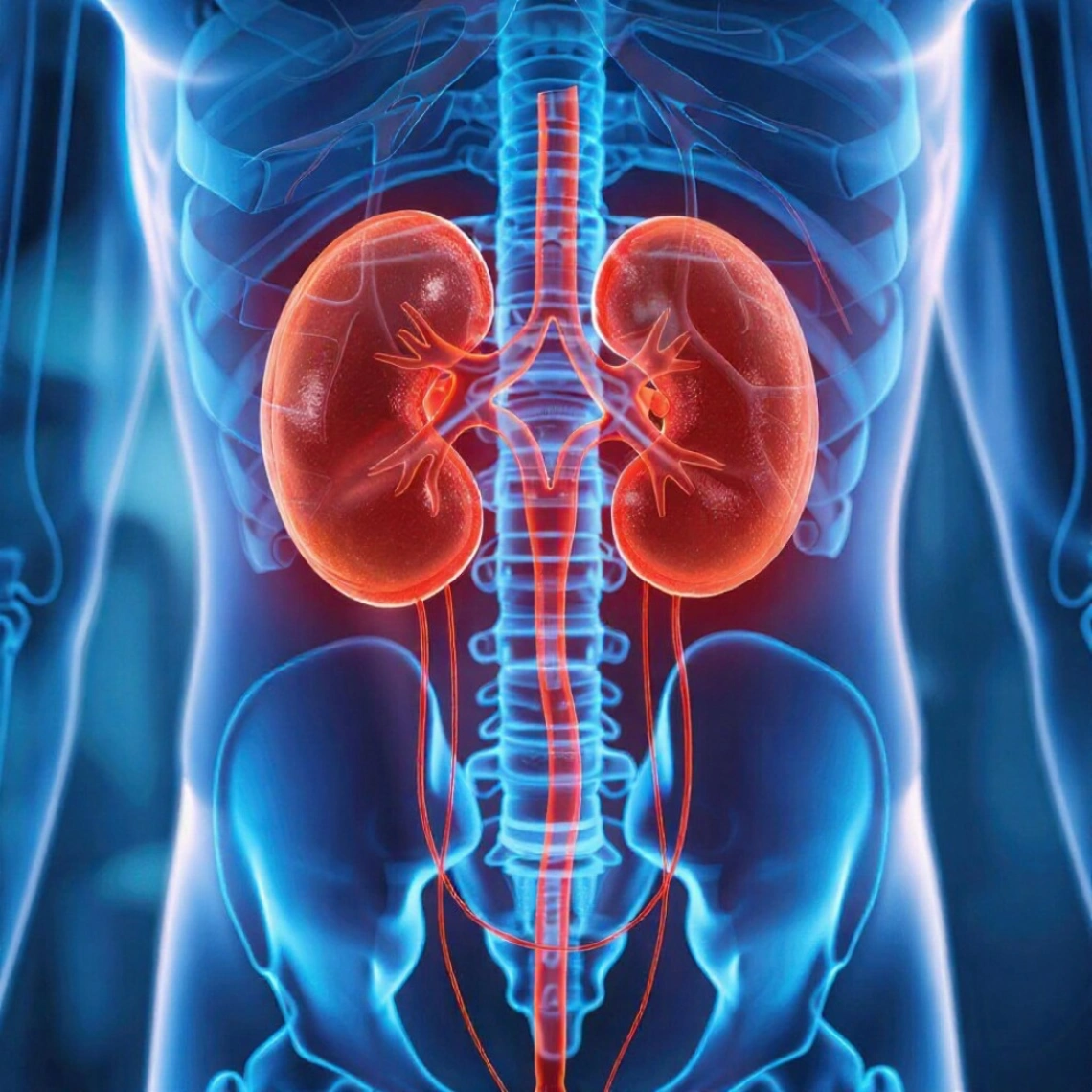
The kidney is also an important part of the body. It helps in fluid waste, balances electrolytes, and regulates blood pressure in the body. When its function declines, the vital processes are disrupted, which leads to toxic buildups and fluid buildup in the body. The improper functioning of the kidney gives a lot of kidney diseases.

Whatever we are eating plays an important role in kidney health. We understand medication is important, but diet is also a cornerstone of clinical management for kidney diseases. It not only helps to reduce the symptoms but also supports kidney functions. For better suggestions, a specialised dietitian for kidney patients in Delhi is good. They help to reduce the workload on the kidneys and support them to work properly.

Why Nutrition is Crucial for Kidney Patients

Nutrition is not just about eating healthy for a kidney patient. It is like a therapeutic tool. Proper nutrition is a cornerstone of kidney care. If you are suffering from any kind of kidney disease, all diseases require the right amount of protein intake, sodium, phosphorus, etc. A proper nutritional diet by a nephrology dietician in Delhi helps in.

  • Reduce kidney workload
  • Prevent electrolyte imbalance
  • Manage fluid balance
  • Control blood pressure
Why Nutrition is Crucial for Kidney Patients

Managing CKD, Dialysis, and Transplant with Diet

If you have CKD, Dialysis or a transplant, make sure to add the right diet with your medication to your routine. You can manage your kidney disease with a proper nutritional diet.

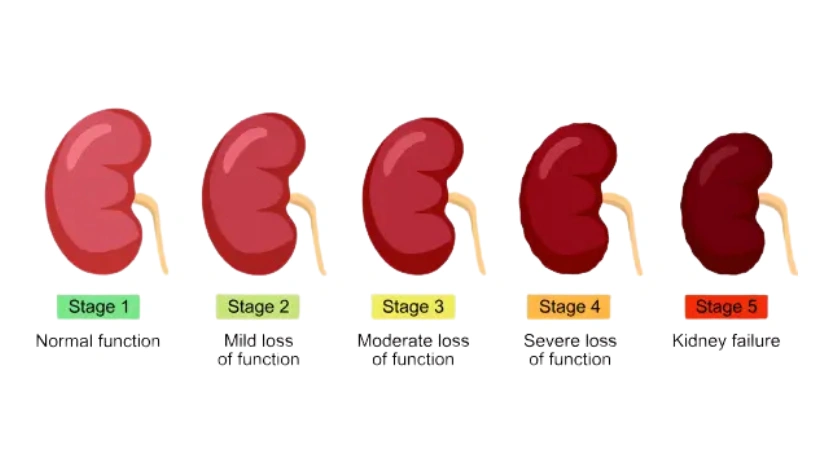
For Early-Stage Chronic Kidney Disease (CKD Stages 1-4)

For Early-Stage Chronic Kidney Disease (CKD Stages 1-4)

Diet is focused on slow progression, managing comorbidities by controlled protein intake, sodium & potassium restriction, phosphorus management, managing blood sugar and pressure.

For Dialysis Patients (Hemodialysis/Peritoneal Dialysis)

For Dialysis Patients (Hemodialysis/Peritoneal Dialysis)

Diet is focused on counteracting nutrient losses, managing fluid, and controlling electrolytes by higher protein intake, strict fluid restriction, strict phosphorus restriction, and potassium management.

For Post-Kidney Transplant Patients

For Post-Kidney Transplant Patients

Diet is focused on healing and promotes long-term health through balanced nutrition, managing medication side effects, food safety, etc.

Personalised Diet Plans for Kidney Patients in Delhi

Dt. Priyanka Jaiswal, who is the best kidney dietician in Delhi, provide a personalised diet plan for

  • Diet for Chronic Kidney Disease (CKD)
  • Dialysis-Friendly Nutrition Plans
  • Kidney Stone Prevention Diet
  • Post-Transplant Nutrition Support
  • Diabetes and Kidney Disease (Diabetic Nephropathy) Diet
  • Hypertension (High Blood Pressure) Management for Kidney Health
  • Geriatric Kidney Nutrition for Senior Patients
  • Pediatric Kidney Disease Nutritional Guidance
  • Pre-Dialysis (Conservative Management) Diet Plans
  • Cardio-Renal Syndrome: Integrated Heart & Kidney Diet Support
  • Nutrition for Nephrotic Syndrome Management
  • Onco-Nephrology: Nutrition during Chemotherapy & Kidney Issues
  • Vegetarian & Vegan Kidney-Friendly Diet Plans
  • Nutrition for Managing Mineral and Bone Disorder (MBD) in CKD
  • Weight Management Plans for Kidney Patients (Gain or Loss)
  • Enteral/Parenteral Nutrition Support for Hospitalised Kidney Patients
Personalised Diet Plans for Kidney Patients in Delhi
Renal Dietitian Expert

Renal Dietitian Expert

With 15 years of experience and hundreds of happy patients, Priyanka Jaiswal is one of the recognised nephrology dietician in Delhi. Our expertise can solve all complex kidney diseases.

Tailored Plans Based on Medical Reports

Tailored Plans Based on Medical Reports

Priyanka Jaiswal believes in precision nutrition after evaluating medical reports, lab results, kidney stage, etc. We prepare 100% customised dietary guidance for you.

Holistic Care

Holistic Care

Being the best dietitian for kidney patients in Delhi, we work on a holistic approach. We consider your entire well-being, like co-existing conditions, food preferences, and your personal lifestyle. 
Evidence-based approach

Evidence-based approach

All our nutrition strategies are rooted in the latest research and practice case studies. We only use evidence-based approaches for CKD, dialysis or transparent cases.

Why Choose Our Kidney Dietitian Services in Delhi?

 At Diet2Nourish, we provide kidney dietitian services in Delhi under the supervision of Priyanka Jaiswal. Being the best kidney dietician in Delhi, we provide individual nutrition care with support for every kind of disease. Managing kidney health takes more than just a generic meal plan. It requires a precision, personal and proven science diet plan. Hence, here is the reason why you should choose us-
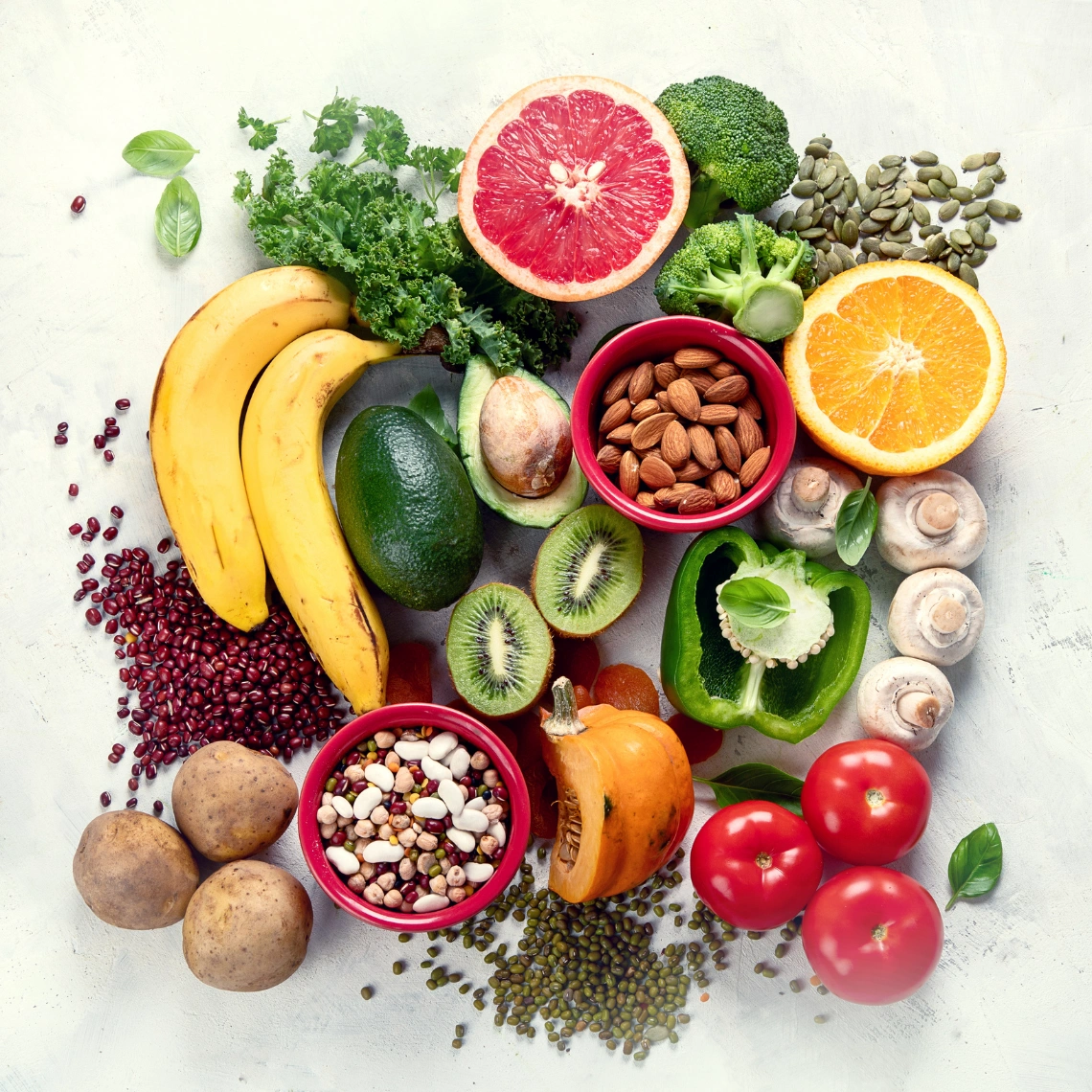
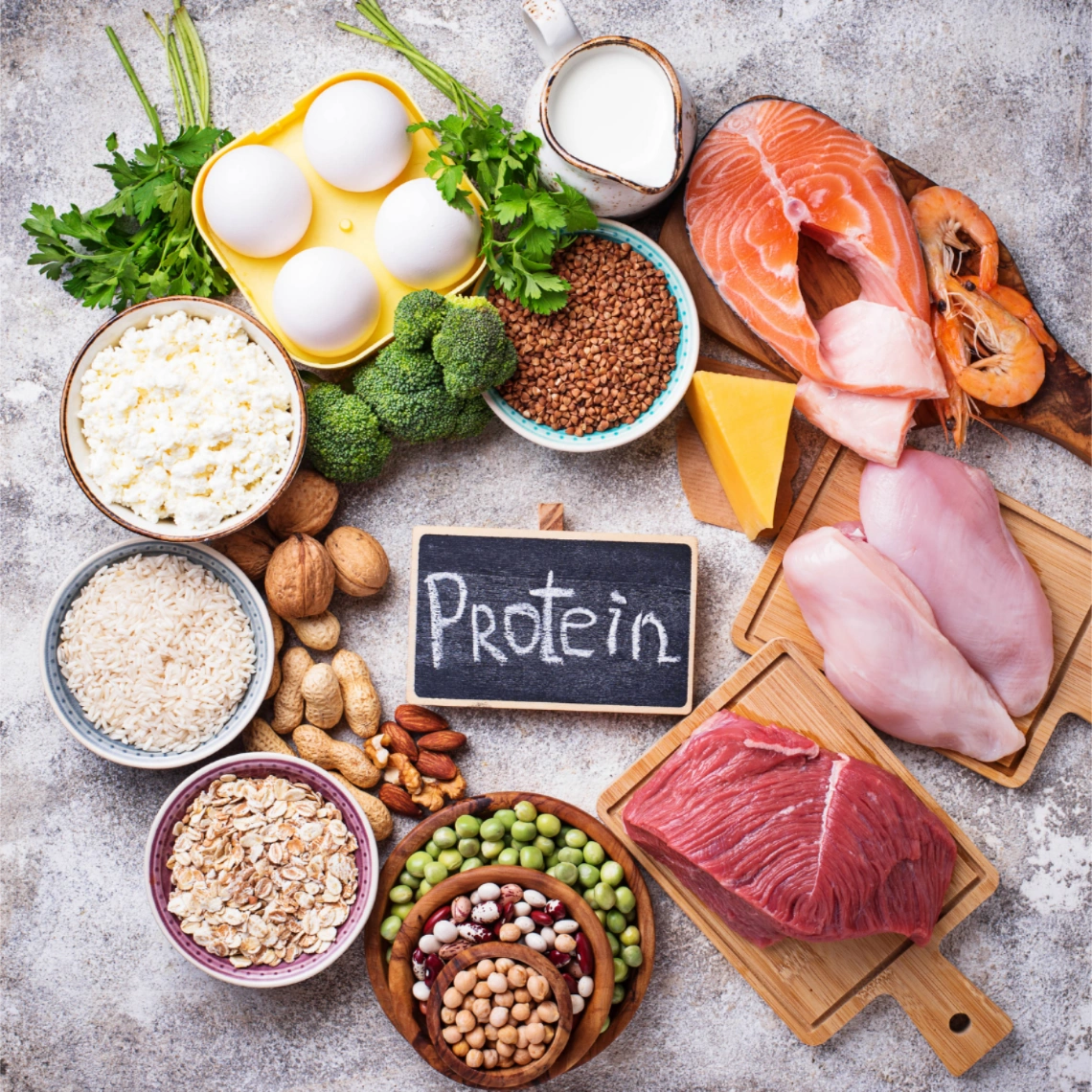
Foods to Eat and Avoid in Kidney Conditions

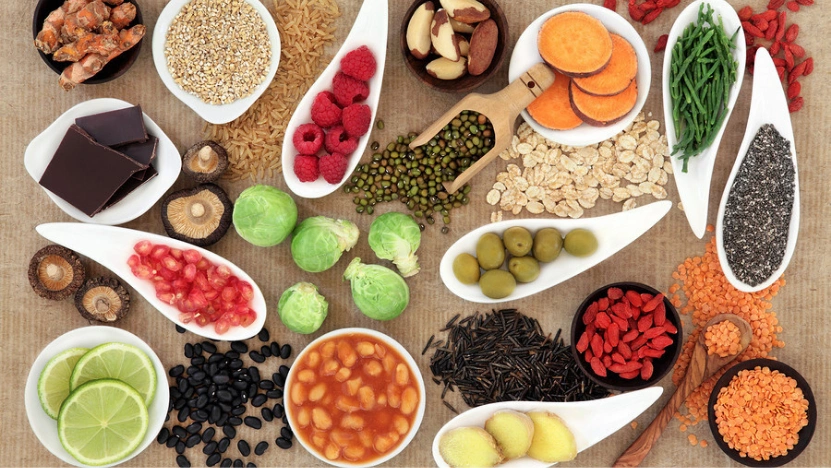
Managing kidney disease and kidney conditions is linked with making informed food choices. Having the right choice can help you to control blood pressure, maintain healthy electrolyte levels and slow the progression of kidney disease. Here is the food that you should eat and avoid in a kidney condition under the supervision of Priyanka Jaiswal, a certified dietitian for kidney patients in Delhi

Low Sodium and Low Potassium Foods

Low Sodium and Low Potassium Foods

For a kidney patient, it is important to be mindful of sodium and potassium intake.

  • Low-Sodium Picks
  • Kidney-Safe Low-Potassium Options
Managing Protein Intake for Kidney Health

Managing Protein Intake for Kidney Health

Protein demands differ by kidney treatment stage. The body produces waste from protein that damaged kidneys cannot filter effectively.

  • Early-Stage CKD: Often involves a moderate, high-quality protein
  • Dialysis (ESRD): Requires higher protein intake to replace what is lost during
  • General Rule: Prioritise high-biological-value protein 
Hydration and Fluid Balance Tips

Hydration and Fluid Balance Tips

Maintaining hydration is very important for a kidney patient. Impaired kidneys can’t remove extra fluid.

  • Drink water throughout the day
  • Strict daily fluid limit
  • To manage intake, sip evenly
Phosphorus Management

Phosphorus Management

Healthy kidneys remove extra phosphorus.

  • Avoid High-Phosphorus Foods
  • Phosphate Additives
  • Always take phosphate binder medications

FAQs on Kidney Diet & Nutrition

Yes, a diet can help to slow down kidney disease. A professional diet limits the workload of the kidneys by controlling protein, sodium, potassium, and phosphorus consumption. This can regulate blood pressure, reduce waste accumulation, and decelerate the development of CKD, delaying dialysis and extending kidney function.

Avoid completely processed foods high in sodium, canned soups, packaged snacks, and high-potassium foods such as bananas, tomatoes, potatoes, and oranges. Restrict high-phosphorus foods such as dairy, nuts, and colas. Be sure to look for phosphate additives in processed foods and limit excessive protein if recommended.

Yes, a dialysis diet is different from a CKD diet. A CKD diet may limit protein; dialysis necessitates additional high-quality protein to compensate for losses from treatment. Fluid, potassium, and phosphorus limits are generally much tighter on dialysis to keep inter-dialytic weight gain and electrolyte imbalances under control.

We should consult every 1-2 months or after a major change in the report. If you are a stable patient, you need to follow up after 3-4 months. Transplant or dialysis patients can best be consulted monthly or quarterly for continued refashioning according to treatment response and changing health needs.

Consult Dietitian ( Free )