






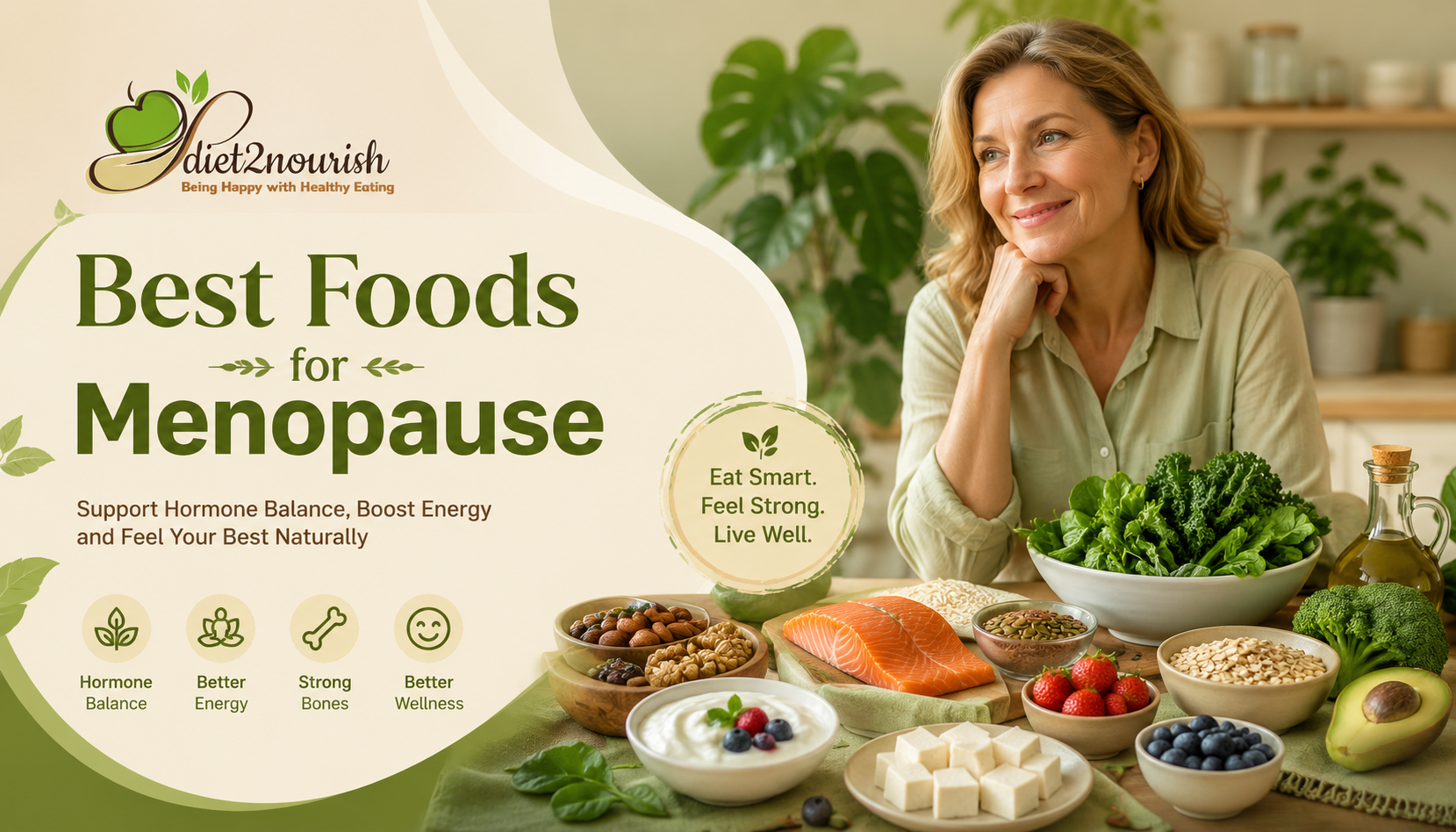
Menopause can bring a lot of changes to your body. Hot flashes, mood swings, weight gain, poor sleep, low energy, and brain fog are some of the most common symptoms women experience during this stage.
The good news? Your diet can make a real difference.
Certain foods may help support hormone balance, improve energy levels, reduce inflammation, and support heart and bone health during menopause. While food cannot completely stop menopause symptoms, eating the right nutrients may help your body feel more balanced and supported naturally.
Here are some of the best foods for menopause that experts often recommend:
- Fatty fish like salmon and sardines
- Soy foods such as tofu and soy milk
- Flaxseeds and chia seeds
- Leafy green vegetables
- Greek yogurt and calcium-rich foods
- Berries and antioxidant-rich fruits
- Nuts and healthy fats
- Whole grains and fiber-rich foods
- Beans and lentils
- Avocados
These foods are packed with nutrients like omega-3 fatty acids, calcium, fiber, protein, magnesium, and antioxidants that may help support women during menopause.
In this guide, we’ll break down the best foods to eat during menopause, foods to avoid, and simple nutrition tips that may help you feel healthier, stronger, and more energized.
Why Diet Matters During Menopause
During menopause, the body naturally produces lower levels of estrogen. This hormonal shift can affect many areas of health, including metabolism, sleep, mood, bone strength, and heart health.
That’s why nutrition becomes more important than ever.
Many women notice symptoms such as:
- Hot flashes
- Night sweats
- Weight gain around the belly
- Low energy
- Mood changes
- Poor sleep
- Brain fog
- Joint discomfort
The foods you eat may help support your body during these changes. A healthy menopause diet can help provide important nutrients your body needs to maintain energy, muscle strength, and overall wellness.
For example:
- Calcium and vitamin D may support bone health
- Protein may help maintain muscle mass
- Fiber-rich foods may improve digestion and help with weight management
- Healthy fats may support heart and brain health
- Antioxidant-rich foods may help reduce inflammation
Eating balanced meals can also help stabilize blood sugar levels, which may reduce cravings and energy crashes during menopause.
The goal is not to follow a strict diet. Instead, focus on adding more nutrient-rich whole foods that help your body feel stronger and more supported naturally.
10 Best Foods for Menopause
The right foods can help support your body during menopause and may reduce common symptoms like hot flashes, low energy, mood swings, and weight gain. Here are some of the best foods to include in a healthy menopause diet.
1. Fatty Fish
Fatty fish are rich in omega-3 fatty acids, which may support heart health, brain function, and inflammation control during menopause.
Some studies also suggest omega-3s may help improve mood and sleep quality.
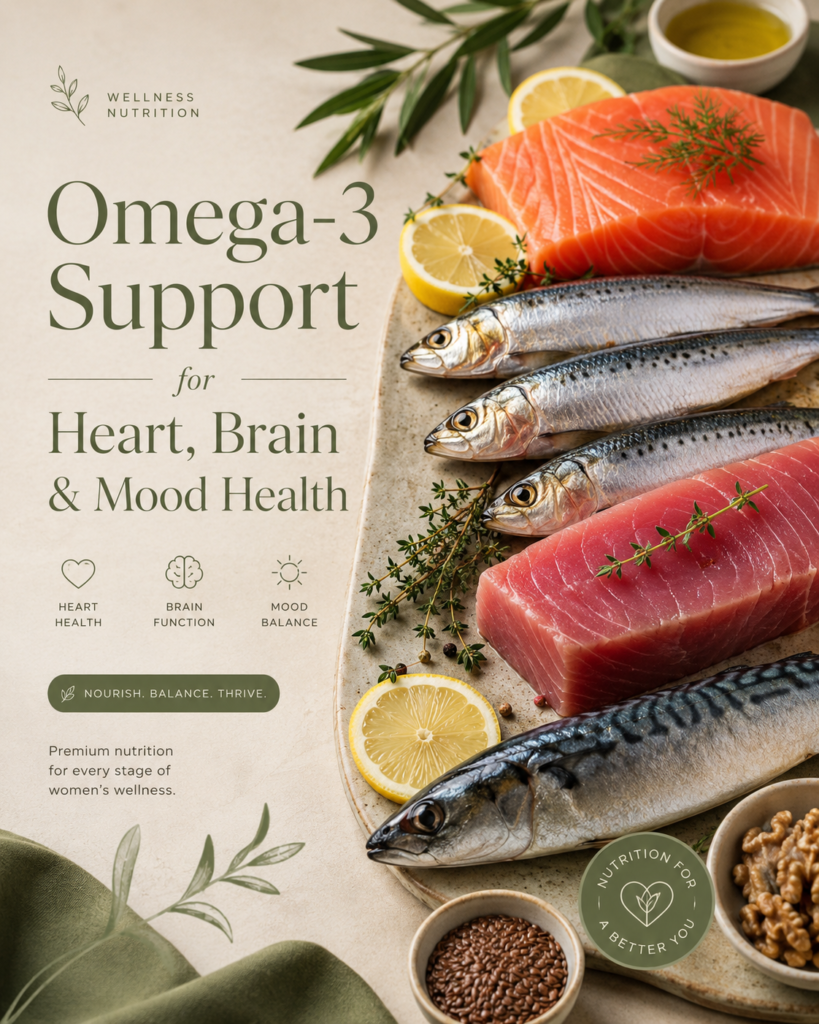
Best options include:
- Salmon
- Sardines
- Mackerel
- Tuna
Try eating fatty fish at least 2 times per week for better nutritional benefits.
2. Soy Foods
Soy foods contain phytoestrogens, which are natural plant compounds that may act similarly to estrogen in the body.
This may help reduce symptoms such as hot flashes in some women.
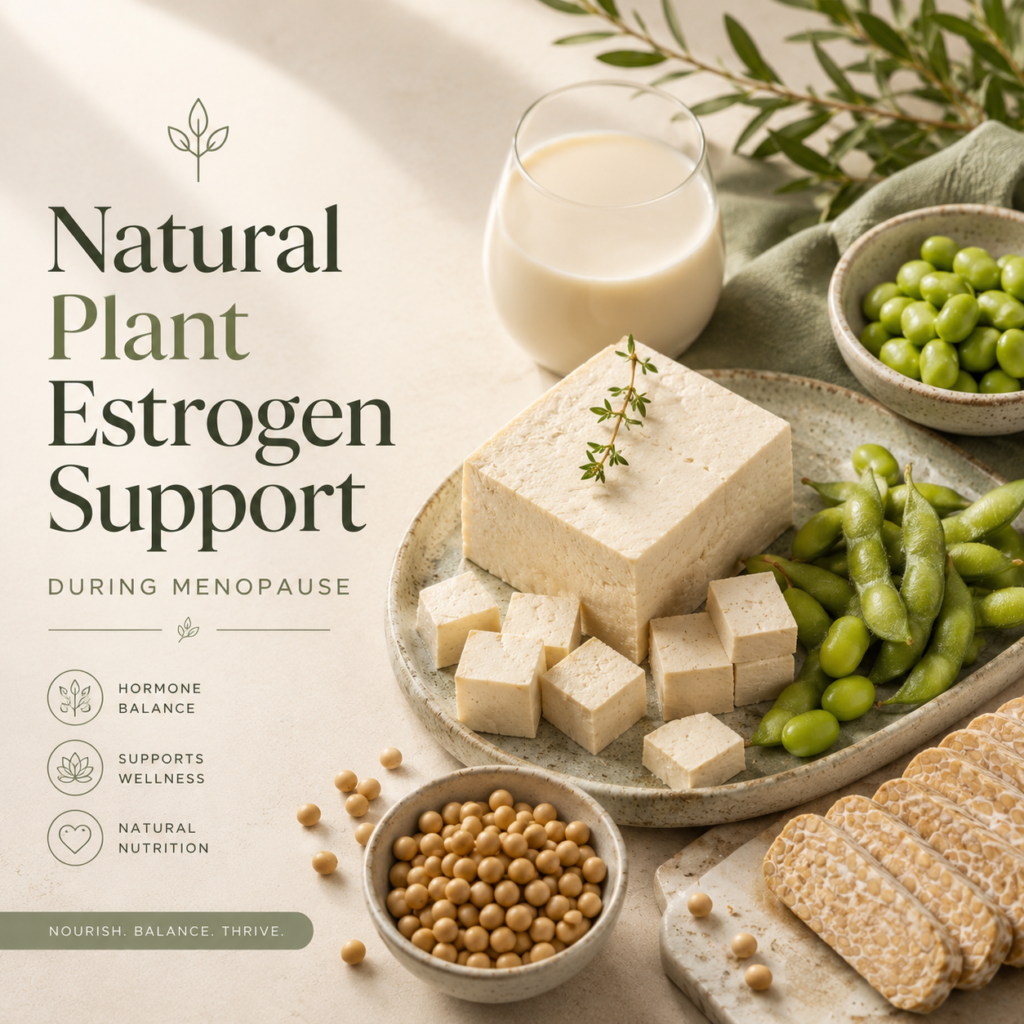
Healthy soy foods include:
- Tofu
- Soy milk
- Edamame
- Tempeh
Choose minimally processed soy products whenever possible.
3. Flaxseeds
Flaxseeds are packed with fiber, healthy fats, and lignans, which may help support hormone balance.
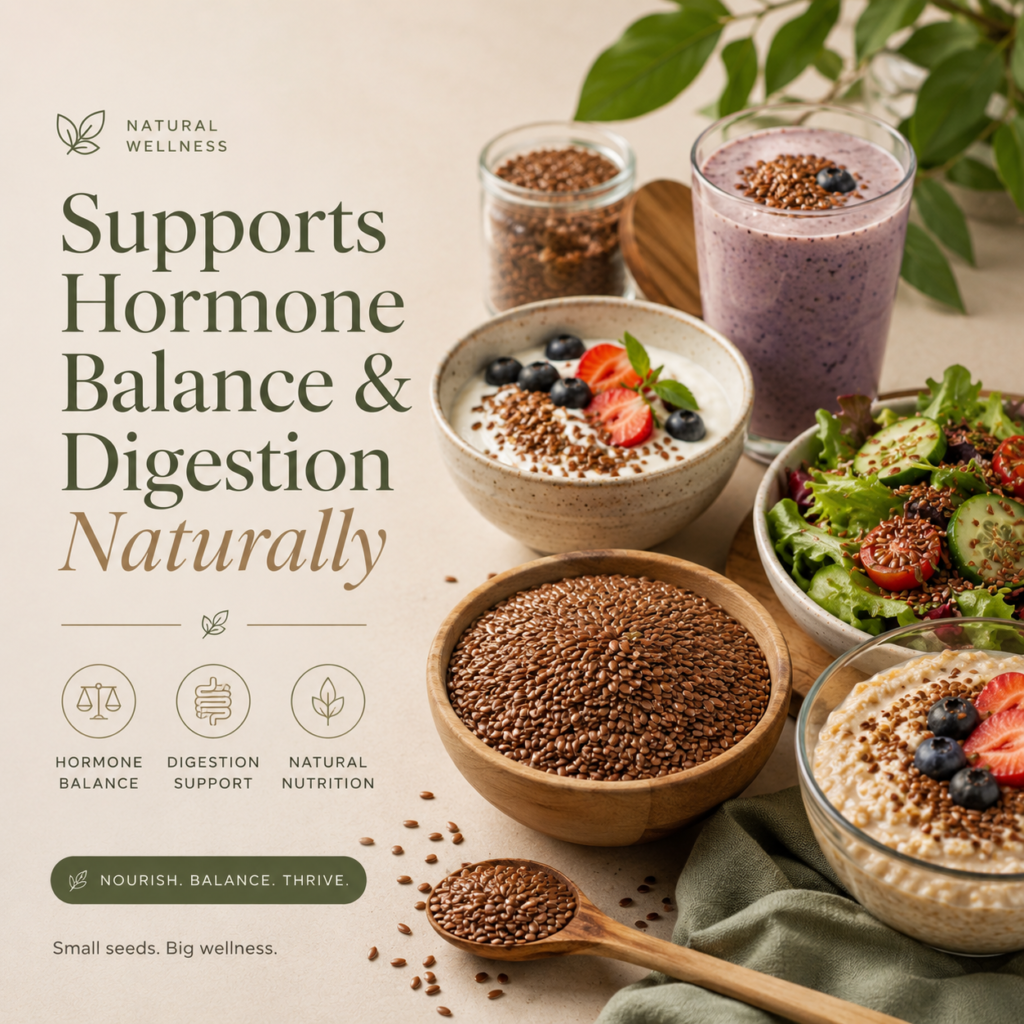
They may also help improve digestion and heart health.
Easy ways to add flaxseeds to your diet:
- Blend into smoothies
- Add to oatmeal
- Sprinkle on yogurt
- Mix into salads
Ground flaxseeds are usually easier to digest than whole seeds.
4. Leafy Green Vegetables
Leafy greens are loaded with calcium, magnesium, fiber, and antioxidants that may support bone health and overall wellness during menopause.
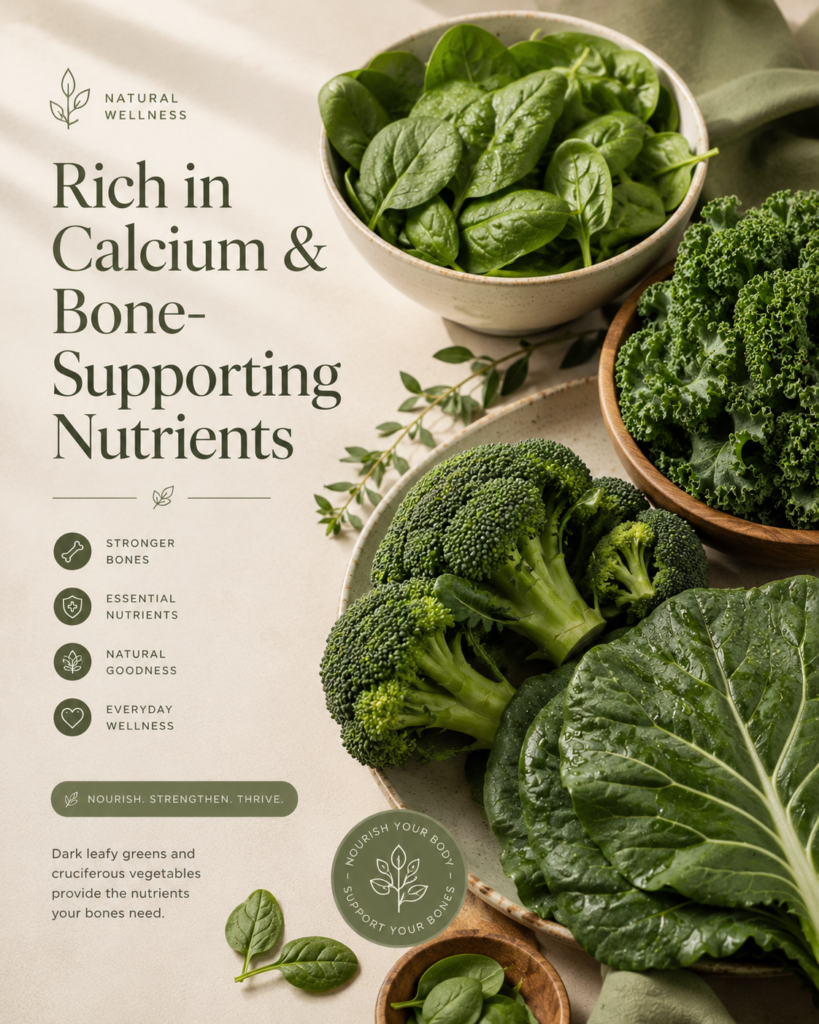
Best leafy greens include:
- Spinach
- Kale
- Broccoli
- Collard greens
These vegetables may also help support healthy digestion and weight management.
5. Greek Yogurt
Greek yogurt is a great source of protein, calcium, and probiotics.
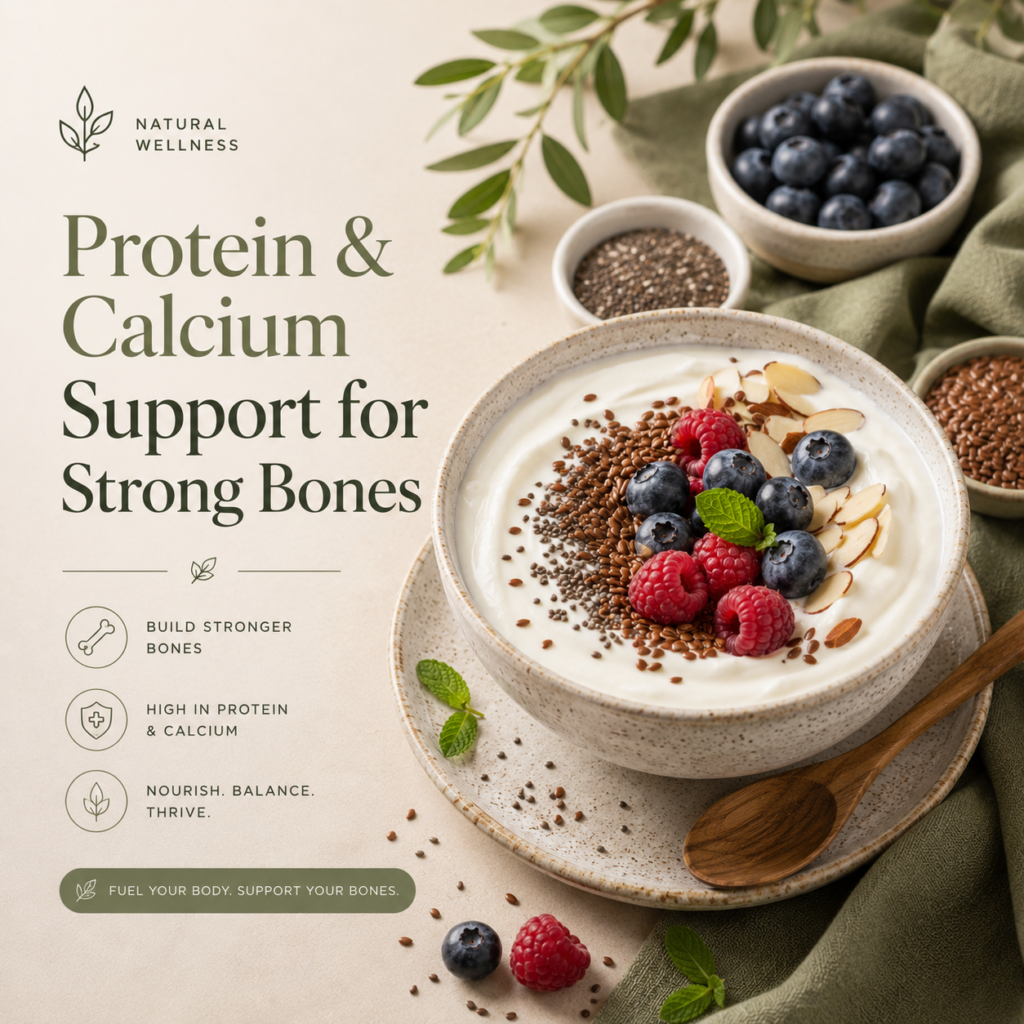
During menopause, calcium becomes especially important because bone density may decrease over time.
Benefits of Greek yogurt may include:
- Better bone support
- Improved gut health
- Increased fullness after meals
- Muscle support
Choose unsweetened yogurt when possible to avoid excess sugar.
6. Berries
Berries are rich in antioxidants that may help reduce inflammation and support healthy aging.
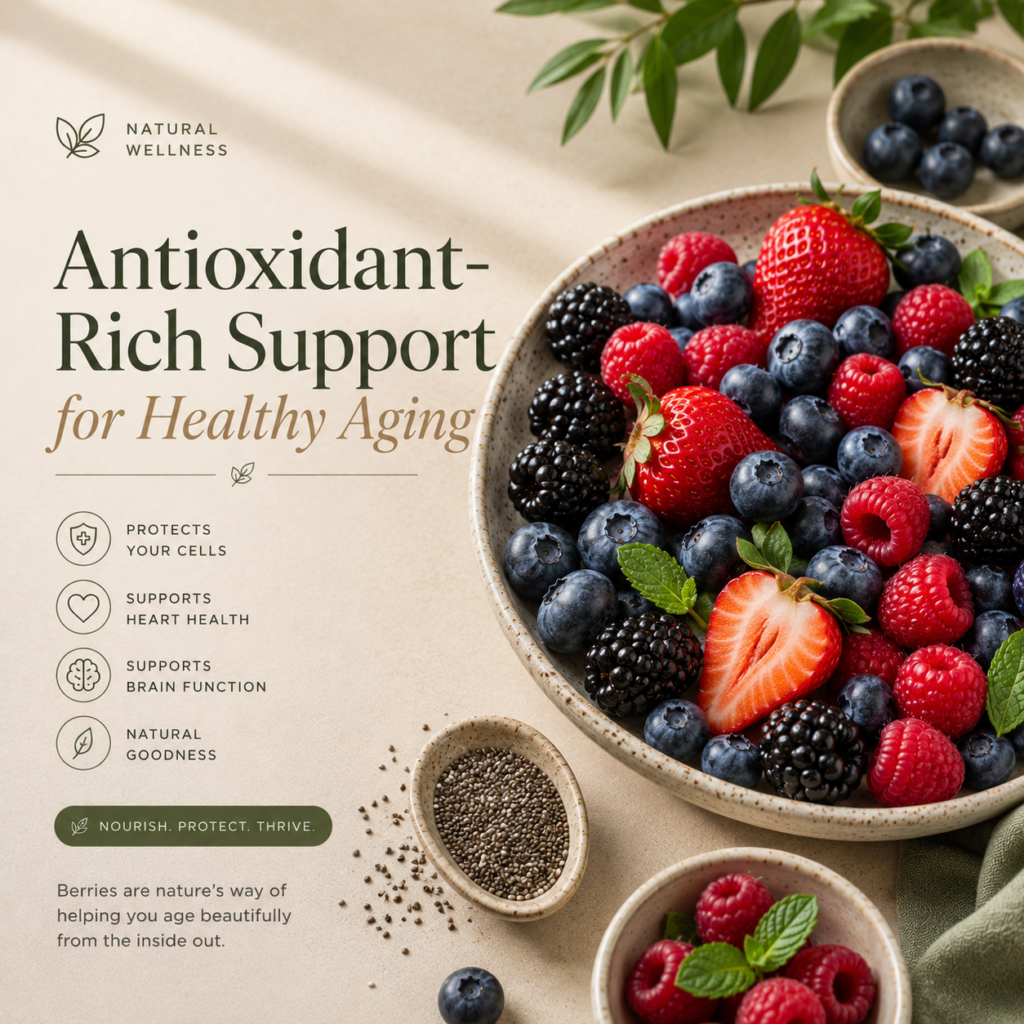
Popular options include:
- Blueberries
- Strawberries
- Raspberries
- Blackberries
They also make a healthy low-sugar snack option during menopause.
7. Nuts and Seeds
Nuts and seeds provide healthy fats, protein, magnesium, and fiber.
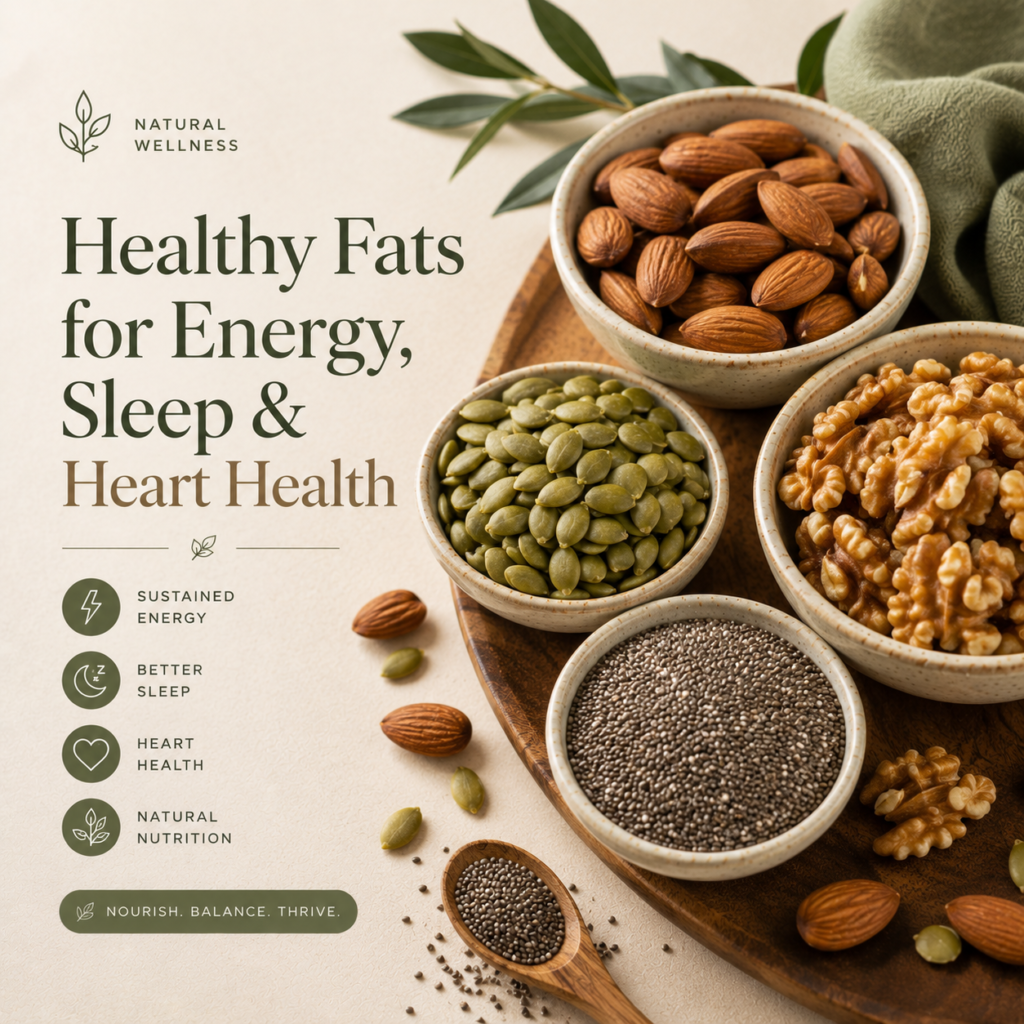
These nutrients may support heart health, energy levels, and better sleep.
Good choices include:
- Almonds
- Walnuts
- Pumpkin seeds
- Chia seeds
A small handful daily can be a healthy addition to your menopause diet.
8. Whole Grains
Whole grains provide fiber and slow-digesting carbohydrates that may help stabilize blood sugar levels and energy.
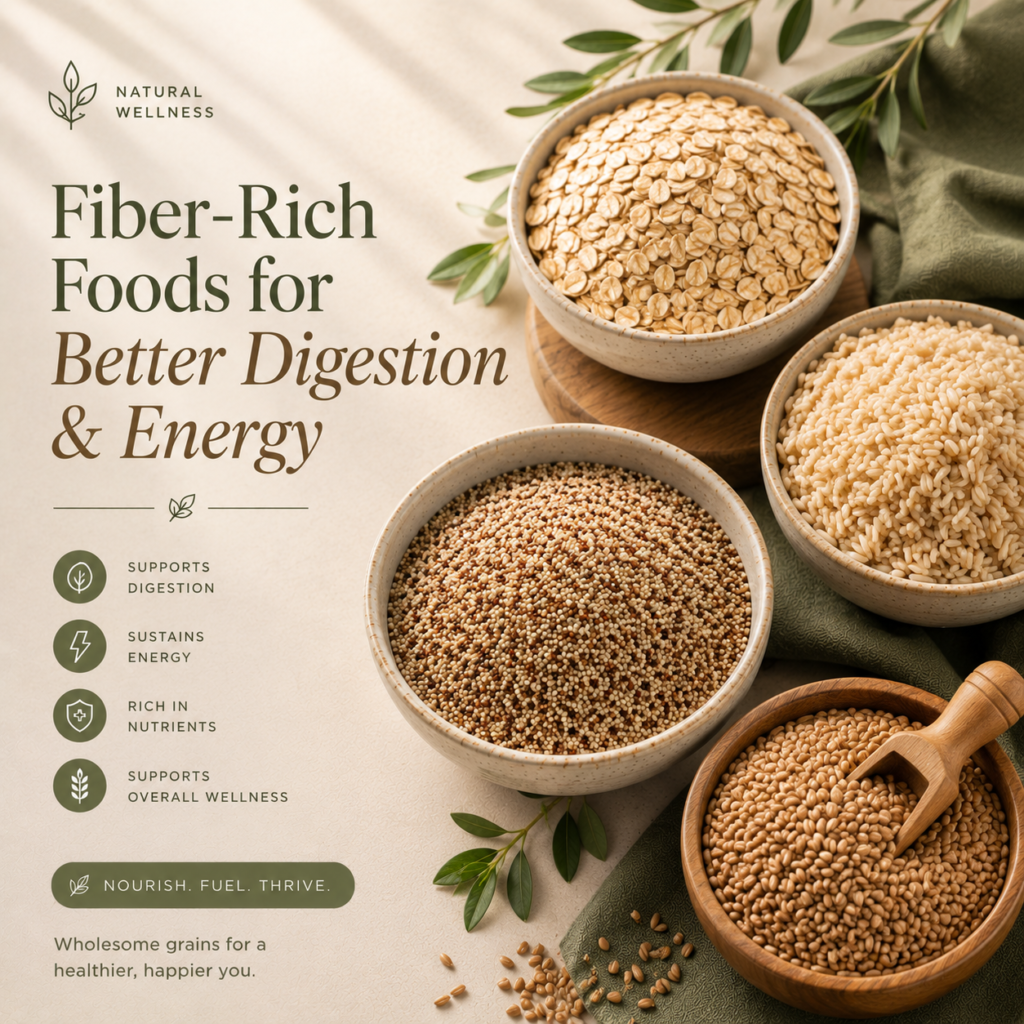
Healthy whole grains include:
- Oats
- Brown rice
- Quinoa
- Whole wheat
Fiber-rich foods may also help with digestion and weight management.
9. Beans and Lentils
Beans and lentils are excellent plant-based sources of protein and fiber.
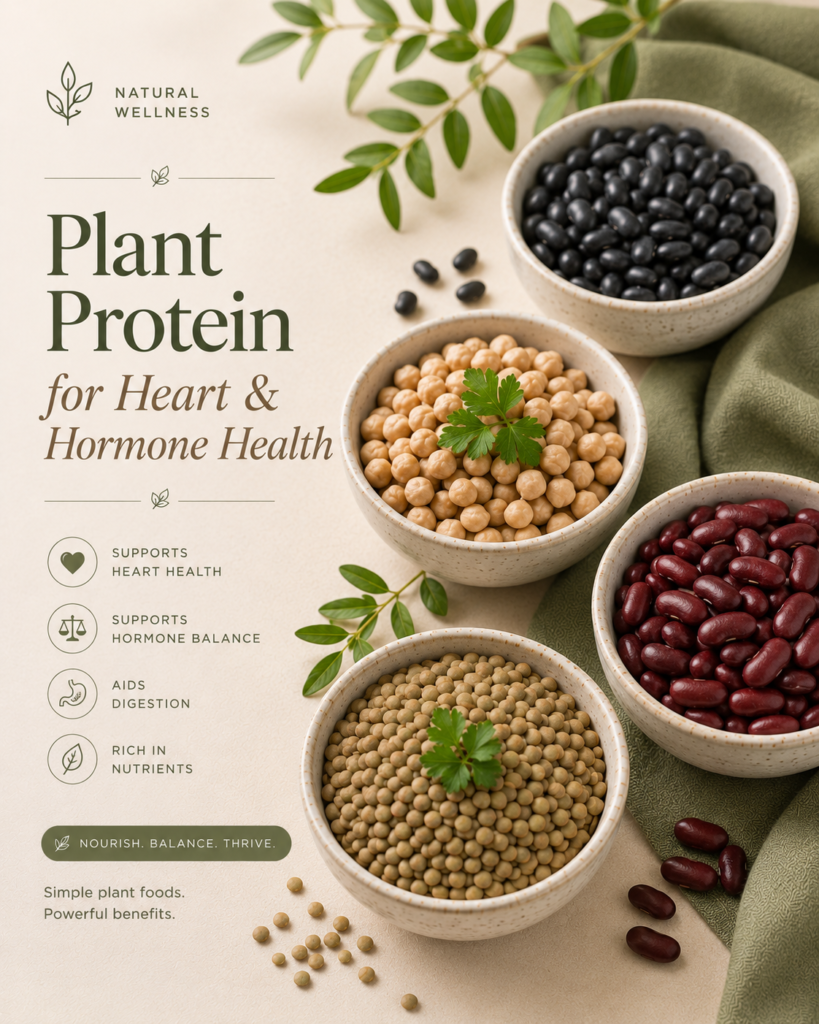
They may help keep you full longer and support heart health during menopause.
Popular options include:
- Black beans
- Chickpeas
- Kidney beans
- Lentils
They are also budget-friendly and easy to add to meals.
10. Avocados
Avocados are rich in healthy fats, fiber, and important nutrients that may support skin, heart health, and hormone balance.
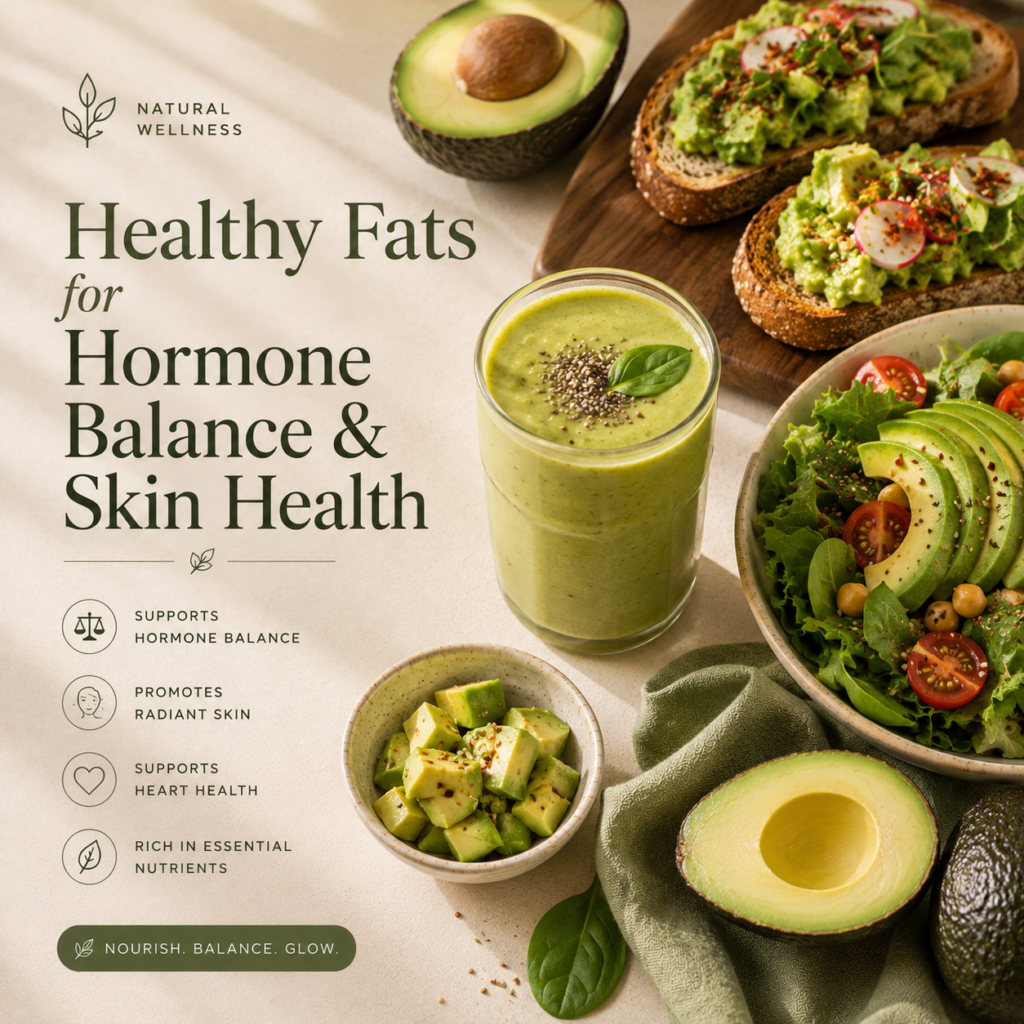
They may also help improve fullness and reduce unhealthy snacking.
You can enjoy avocados in:
- Salads
- Smoothies
- Sandwiches
- Toasts
Their healthy fats make them a great addition to a balanced menopause diet.
Foods to Avoid During Menopause
While some foods may help support your body during menopause, others can make symptoms worse. Certain foods may increase hot flashes, energy crashes, poor sleep, inflammation, and weight gain.
You do not need to completely avoid your favorite foods. The goal is to reduce foods that may negatively affect hormone balance and overall health.
1. Sugary Foods and Drinks
Too much sugar may lead to:
- Energy crashes
- Weight gain
- Increased cravings
- Mood swings
Common high-sugar foods include:
- Soft drinks
- Candy
- Cakes and pastries
- Sweetened coffee drinks
Try replacing sugary snacks with fruits, yogurt, or nuts whenever possible.
2. Processed Foods
Highly processed foods are often high in unhealthy fats, sodium, and added sugars.
Examples include:
- Chips
- Fast food
- Instant noodles
- Processed meats
These foods may increase inflammation and make menopause symptoms feel worse.
3. Excess Caffeine
Too much caffeine may affect sleep quality and may trigger hot flashes in some women.
Common sources include:
- Coffee
- Energy drinks
- Strong tea
- Cola drinks
If caffeine worsens your symptoms, try reducing intake later in the day.
4. Alcohol
Alcohol may interfere with sleep, mood, and body temperature regulation.
For some women, alcohol can trigger:
- Night sweats
- Hot flashes
- Poor sleep quality
Moderation is important during menopause.
5. Fried and Oily Foods
Fried foods are often high in unhealthy fats and calories.
Eating too much fried food may contribute to:
- Weight gain
- Heart health issues
- Inflammation
Instead, choose healthier cooking methods like grilling, baking, steaming, or air frying.
6. Spicy Foods
Spicy foods may trigger hot flashes in some women.
Common triggers include:
- Hot sauces
- Spicy curries
- Chili peppers
Not everyone reacts the same way, so it’s important to notice which foods affect your symptoms personally.
Making small changes to your diet can help you feel more comfortable and energized during menopause. Focus on balance instead of strict restrictions for long-term healthy habits.
Best Diet for Menopause
There is no single “perfect” menopause diet, but many experts recommend focusing on whole, nutrient-rich foods that support overall health and hormone balance.
One of the most recommended eating styles for menopause is the Mediterranean diet because it includes healthy fats, fiber, lean protein, and antioxidant-rich foods.
A healthy menopause diet should focus on:
- Fruits and vegetables
- Whole grains
- Lean proteins
- Healthy fats
- Calcium-rich foods
- Fiber-rich foods
These foods may help support:
- Heart health
- Bone strength
- Weight management
- Energy levels
- Digestion
- Hormone balance
What a Balanced Menopause Plate Looks Like
A simple way to build balanced meals during menopause is:
- Half plate vegetables
- One-quarter lean protein
- One-quarter whole grains or healthy carbs
- Healthy fats in moderation
This approach may help control hunger, stabilize blood sugar, and improve energy throughout the day.
Best Foods to Include Daily
Try adding these foods regularly:
Protein Sources
- Eggs
- Fish
- Greek yogurt
- Chicken
- Lentils and beans
Protein may help maintain muscle mass and keep you full longer.
Healthy Fats
- Avocados
- Olive oil
- Nuts
- Seeds
Healthy fats may support brain health and hormone function.
Fiber-Rich Foods
- Oats
- Vegetables
- Fruits
- Whole grains
Fiber may help digestion and support healthy weight management.
Calcium and Vitamin D Foods
- Yogurt
- Milk
- Leafy greens
- Fortified foods
These nutrients are important for maintaining strong bones during menopause.
Hydration Also Matters
Many women experience dryness, fatigue, and bloating during menopause. Drinking enough water throughout the day may help support:
- Digestion
- Energy levels
- Skin health
- Body temperature regulation
Try to limit sugary drinks and focus more on water, herbal tea, and healthy fluids.
The best menopause diet is not about extreme restrictions. It’s about creating balanced eating habits that help your body feel healthier, stronger, and more energized over time.
Sample 1-Day Menopause Meal Plan
Eating balanced meals throughout the day may help support energy, hormone balance, digestion, and healthy weight management during menopause.
Here’s a simple menopause-friendly meal plan that includes protein, fiber, healthy fats, and nutrient-rich foods.
Breakfast
Greek Yogurt Berry Bowl
- Unsweetened Greek yogurt
- Blueberries and strawberries
- Chia seeds or flaxseeds
- A few almonds or walnuts
This breakfast provides protein, calcium, fiber, and antioxidants that may help support bone health and energy levels.
Mid-Morning Snack
Apple With Peanut Butter
- 1 apple
- 1 tablespoon natural peanut butter
This snack combines fiber and healthy fats to help keep you full between meals.
Lunch
Grilled Salmon With Vegetables
- Grilled salmon
- Brown rice or quinoa
- Steamed broccoli and spinach
- Olive oil dressing
This meal is rich in omega-3 fatty acids, protein, and fiber.
Evening Snack
Mixed Nuts and Herbal Tea
- Almonds or pumpkin seeds
- Herbal tea without added sugar
This can be a healthier alternative to processed snacks during menopause.
Dinner
Lentil and Vegetable Bowl
- Lentils or beans
- Roasted vegetables
- Leafy greens
- Avocado slices
This dinner is packed with fiber, plant protein, and healthy fats that may support digestion and heart health.
Optional Healthy Dessert
Dark Chocolate and Berries
A small portion of dark chocolate with berries may satisfy sweet cravings while providing antioxidants.
Simple Menopause Meal Tips
- Try to include protein with every meal
- Eat more whole foods and fewer processed foods
- Stay hydrated throughout the day
- Avoid skipping meals
- Choose high-fiber snacks when possible
Small daily food choices can make a big difference in how you feel during menopause. The goal is consistency, not perfection.
Can Certain Foods Reduce Hot Flashes?
Hot flashes are one of the most common menopause symptoms. Many women experience sudden feelings of heat, sweating, and discomfort during the day or night.
While food cannot completely stop hot flashes, certain foods may help reduce their frequency or intensity in some women.
At the same time, some foods may trigger hot flashes and make symptoms worse.
Foods That May Help Reduce Hot Flashes
Soy Foods
Soy contains phytoestrogens, which are natural plant compounds that may act similarly to estrogen in the body.
Foods like:
- Tofu
- Soy milk
- Edamame
- Tempeh
may help some women manage menopause symptoms more comfortably.
Flaxseeds
Flaxseeds are rich in lignans and fiber, which may support hormone balance and overall wellness during menopause.
You can add flaxseeds to:
- Smoothies
- Oatmeal
- Yogurt
- Salads
Fruits and Vegetables
Fruits and vegetables contain antioxidants and water that may help support overall body health and hydration.
Hydrating foods include:
- Watermelon
- Cucumbers
- Oranges
- Berries
- Leafy greens
Staying hydrated may help some women feel more comfortable during hot flashes.
Omega-3 Rich Foods
Foods rich in omega-3 fatty acids may help support mood, heart health, and inflammation control.
Good sources include:
- Salmon
- Sardines
- Walnuts
- Chia seeds
Foods That May Trigger Hot Flashes
Some women notice that certain foods make hot flashes worse.
Common triggers include:
- Spicy foods
- Alcohol
- Too much caffeine
- Sugary foods
- Highly processed meals
Triggers can vary from person to person, so it may help to track which foods affect your symptoms.
Simple Tips to Manage Hot Flashes Naturally
- Drink enough water daily
- Eat balanced meals regularly
- Avoid overeating at night
- Limit alcohol and caffeine
- Focus on whole foods instead of processed foods
Small dietary changes may help support your body and improve overall comfort during menopause.
Best Foods for Menopause Weight Gain
Weight gain during menopause is very common. Many women notice extra weight around the belly area due to hormonal changes, slower metabolism, reduced muscle mass, and lifestyle factors.
The good news is that certain foods may help support healthy weight management during menopause while still keeping you full and energized.
The key is focusing on foods that are rich in protein, fiber, and healthy fats.
High-Protein Foods
Protein becomes especially important during menopause because it may help maintain muscle mass and improve fullness after meals.
Good protein options include:
- Eggs
- Fish
- Chicken
- Greek yogurt
- Lentils and beans
- Tofu
Including protein with every meal may help reduce cravings and overeating.
Fiber-Rich Foods
Fiber helps support digestion and may help you feel full longer.
Some of the best high-fiber foods for menopause include:
- Oats
- Vegetables
- Fruits
- Whole grains
- Chia seeds
- Flaxseeds
Fiber-rich foods may also support blood sugar balance and gut health.
Healthy Fats
Healthy fats can help improve satisfaction after meals and support heart health.
Healthy fat sources include:
- Avocados
- Nuts
- Olive oil
- Seeds
- Fatty fish
The goal is moderation, not elimination.
Low-Sugar Snacks
Many processed snacks are high in sugar and calories, which may contribute to weight gain.
Better snack choices include:
- Greek yogurt with berries
- Nuts and seeds
- Apple slices with peanut butter
- Roasted chickpeas
These options provide better nutrition and longer-lasting energy.
Foods That May Support Metabolism
Some foods may help support a healthy metabolism during menopause, especially when combined with regular physical activity.
Helpful foods include:
- Protein-rich meals
- Green vegetables
- Whole foods
- Water-rich foods
Staying active and eating balanced meals together usually works better than following extreme diets.
Simple Menopause Weight Management Tips
- Avoid skipping meals
- Eat more protein and fiber
- Stay hydrated
- Limit sugary drinks
- Reduce processed foods
- Focus on portion balance instead of strict dieting
Healthy and sustainable habits are more effective long-term than quick-fix diets during menopause.
Menopause Nutrition Tips for Better Energy and Sleep
Many women experience low energy, fatigue, and sleep problems during menopause. Hormonal changes can affect sleep quality, mood, and overall daily wellness.
The right nutrition habits may help support better energy levels and improve sleep naturally.
Here are some simple menopause nutrition tips that may help you feel more balanced and rested.
Eat Protein With Every Meal
Protein may help stabilize blood sugar levels and support steady energy throughout the day.
Healthy protein options include:
- Eggs
- Greek yogurt
- Fish
- Chicken
- Lentils
- Tofu
Balanced meals may also help reduce energy crashes and cravings.
Avoid Too Much Sugar
High-sugar foods can cause quick energy spikes followed by crashes, which may leave you feeling tired and hungry again.
Try limiting:
- Sugary snacks
- Sweetened drinks
- Desserts
- Processed foods
Instead, choose whole foods with fiber and protein for more stable energy.
Stay Hydrated
Dehydration may worsen fatigue, headaches, and hot flashes during menopause.
Simple hydration tips:
- Drink water throughout the day
- Carry a water bottle
- Eat water-rich fruits and vegetables
- Reduce sugary drinks
Even mild dehydration can affect energy and focus.
Include Magnesium-Rich Foods
Magnesium may help support muscle relaxation and sleep quality.
Foods rich in magnesium include:
- Pumpkin seeds
- Almonds
- Spinach
- Avocados
- Dark chocolate
Adding these foods to your diet may help support better nighttime relaxation.
Limit Caffeine at Night
Caffeine may interfere with sleep quality, especially during menopause.
If you notice trouble sleeping, try:
- Reducing evening coffee
- Avoiding energy drinks
- Switching to herbal tea at night
Better sleep habits may improve overall mood and energy during the day.
Eat Balanced Evening Meals
Heavy or highly processed meals late at night may affect digestion and sleep quality.
A lighter balanced dinner with protein, vegetables, and healthy fats may help your body feel more comfortable before bed.
Focus on Consistency, Not Perfection
Small daily habits often matter more than strict dieting.
Simple improvements like:
- Eating more whole foods
- Staying hydrated
- Sleeping regularly
- Reducing processed foods
can help support overall wellness during menopause over time.
When to Talk to a Doctor or Dietitian
While healthy eating can help support your body during menopause, some symptoms may need professional guidance.
Every woman experiences menopause differently, and in some cases, ongoing symptoms can affect daily life, sleep, energy, and overall health.
You may benefit from speaking with a doctor or registered dietitian if you experience:
- Severe hot flashes
- Rapid weight gain
- Extreme fatigue
- Difficulty sleeping regularly
- Digestive issues
- Mood changes or anxiety
- Bone health concerns
- Trouble managing symptoms through diet alone
A healthcare professional can help identify nutrient deficiencies, hormonal changes, or other health conditions that may be affecting your symptoms.
A registered dietitian may also help create a personalized menopause meal plan based on your lifestyle, health goals, and nutritional needs.
Final Thoughts
Menopause is a natural stage of life, but the symptoms can sometimes feel overwhelming. The good news is that small food and lifestyle changes may help support your body during this transition.
Focusing on whole foods, protein, healthy fats, fiber, and hydration may help improve energy, support hormone balance, and promote overall wellness.
Instead of following strict diets, aim for balanced and sustainable habits that work for your daily routine.
Start small.
Even adding a few menopause-friendly foods like leafy greens, fatty fish, berries, or flaxseeds to your meals can make a positive difference over time.
The goal is not perfection — it’s creating healthier habits that help you feel stronger, more energized, and more comfortable during menopause.
Frequently Asked Questions
What are the best foods to eat during menopause?
Some of the best foods for menopause include fatty fish, leafy greens, berries, Greek yogurt, flaxseeds, soy foods, nuts, seeds, beans, and whole grains. These foods provide nutrients that may support hormone balance, bone health, heart health, and energy levels.
What foods help reduce hot flashes?
Foods that may help reduce hot flashes include soy foods, flaxseeds, fruits, vegetables, and omega-3-rich foods like salmon and walnuts. Staying hydrated and limiting spicy foods, alcohol, and excess caffeine may also help.
What foods should be avoided during menopause?
It may help to limit sugary foods, processed snacks, fried foods, alcohol, and too much caffeine during menopause. These foods may worsen symptoms such as hot flashes, poor sleep, inflammation, and weight gain.
Is banana good for menopause?
Yes, bananas can be a healthy food choice during menopause. They contain potassium, fiber, and natural carbohydrates that may help support energy levels and digestion.
Does soy help menopause symptoms?
Soy foods contain phytoestrogens, which are plant compounds that may act similarly to estrogen in the body. Some women find that soy foods help reduce menopause symptoms like hot flashes.
What is the best breakfast for menopause?
A balanced breakfast with protein, healthy fats, and fiber may help support energy and fullness during menopause.
Healthy breakfast ideas include:
- Greek yogurt with berries
- Oatmeal with nuts and seeds
- Eggs with vegetables
- Smoothies with flaxseeds and fruit
Can diet help menopause belly fat?
A balanced diet rich in protein, fiber, and whole foods may help support healthy weight management during menopause. Reducing processed foods and sugary drinks may also help.
Are eggs good during menopause?
Yes, eggs are a good source of protein and important nutrients that may help support muscle health and energy levels during menopause.
Which fruits are best for menopause?
Berries, oranges, apples, watermelon, and bananas are popular fruit choices during menopause because they provide fiber, vitamins, antioxidants, and hydration.
What is the best menopause diet plan?
The best menopause diet usually focuses on whole foods, lean protein, healthy fats, vegetables, fruits, and fiber-rich carbohydrates. The Mediterranean-style diet is commonly recommended for menopause support.