




Introduction
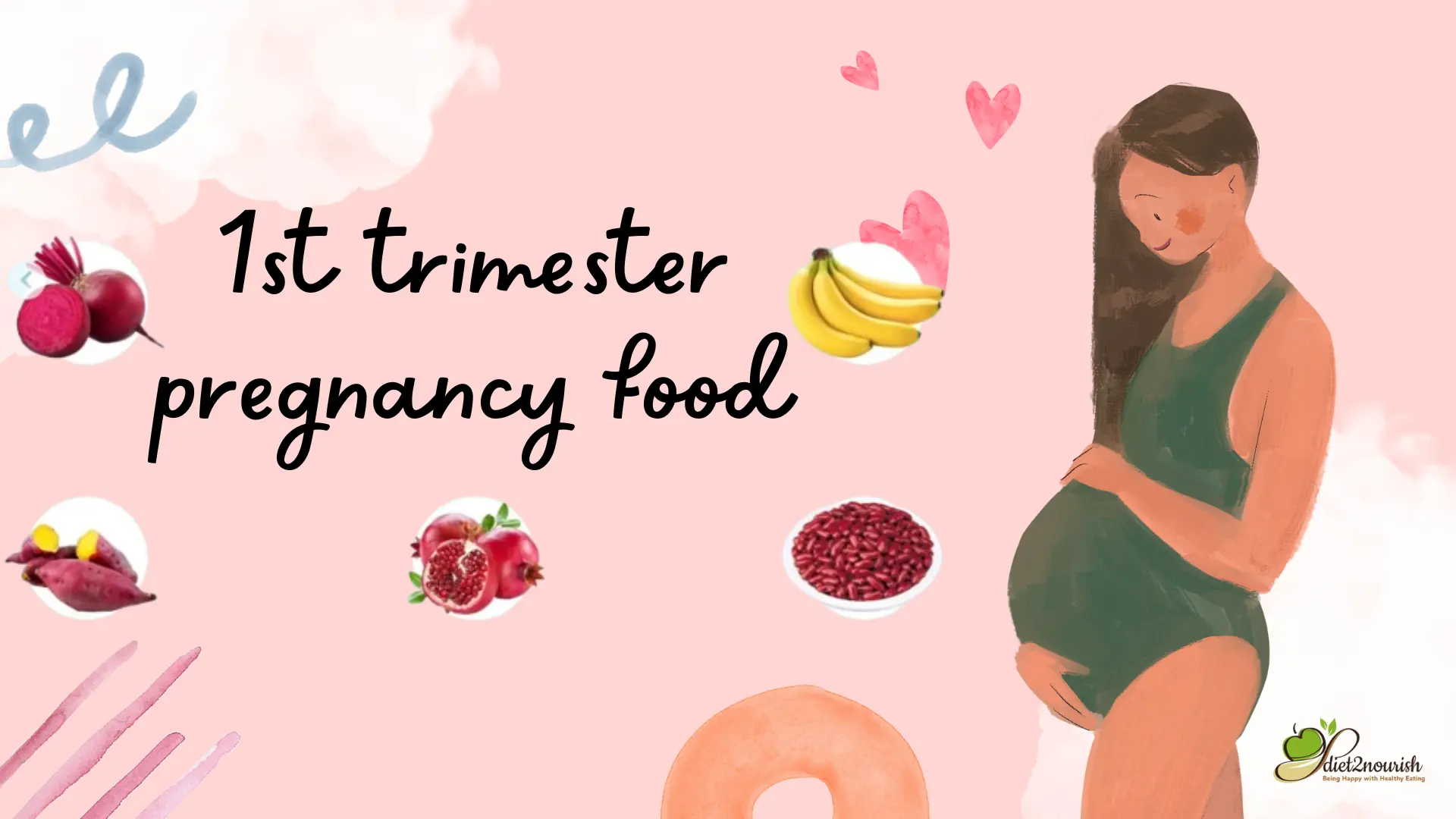
First Trimester Pregnancy Food is a balancing act: you need peak nutrition but you’re constantly fighting off waves of morning sickness.
Welcome, soon-to-be-moms! The first trimester from 1-13 is a period of incredible change. Herein, you’re building the very foundation of your baby’s life. But let’s be honest: while development is booming, your appetite might be absent. Moreover, the tiresome “morning sickness” can make a balanced diet seem impossible.
In this guide, we’ll move beyond the basics and give you practical, nausea-friendly food. The first trimester pregnancy food ensures you and your little one get the absolute best start. Forget the food rules and let’s talk about the foods you can actually keep down!
Why Is the First Trimester Diet Crucial?
The first trimester diet is the critical foundation of your baby’s health. This 12-week window is when your baby undergoes a growth process called organogenesis—the formation of all major organs. Your diet should have vital micronutrients like Folate to prevent severe birth defects. Moreover, Neural Tube Defects occur very early in gestation.
A focus on nutrient density of your First trimester pregnancy food is crucial. It ensures rapid cell growth along with the development of the brain and circulatory system.
Additionally, the first trimester diet is crucial to minimise any chances or risk. With a healthy diet, you can avoid certain foods which in turn protects the highly vulnerable embryo from infections. Hence, securing a healthy start to your pregnancy and a new life.
Essential Nutrients (Folate, Iron, Calcium)
During the first trimester of your gestation, you might not need calories as much as you would need nutrients. Here are some vital nutrients that can help you set a strong foundation of your pregnancy:
Folate:
Folate is crucial in the first trimester to head start the early development of the baby’s brain and spinal cord. NTDs are certain defects that occur in the first 28 days of pregnancy. Moreover, often before a woman even knows she is pregnant.
Iron:
Being pregnant, your blood volume increases by about 50% which implies the need of more iron. Not only will it make more hemoglobin but also carries oxygen to your baby with the First trimester pregnancy food.
Calcium:
Calcium is vital for forming the baby’s bones, teeth, heart, muscles, and nerves. If the mother’s diet is low in calcium, the baby will take the calcium needed directly from the mother’s bones, increasing the risk of osteoporosis later in life.
Best Foods for First Trimester
The first three months are the foundation of your baby’s development and delivery. Add these foods to your pregnancy diet first trimester.
1. Lentils and Beans (Legumes):
Absolutely critical for the early formation of the baby’s neural tube.
Key Nutrient:
- Folate (Folic Acid)
- Proteins
2. Hard-Boiled Eggs (Fully Cooked):
High protein source that keeps you fit and baby healthy ONLY if cooked fully. Eggs are a crucial source of Choline for the brain development of the foetus.
Key Nutrients:
- Protein
- Iron
- Choline.
3. Plain Yogurt (Pasteurized):
An excellent source of readily available Calcium for early bone formation in babies. Cold yogurt is often easier to keep down as compared to warm first trimester pregnancy food. Furthermore, the probiotics in it can help your gut, which can slow down in pregnancy.
Key Nutrients:
- Calcium
- Protein
- Probiotics
4. Sweet Potatoes:
Your body can safely convert the Beta-Carotene in sweet potatoes into Vitamin A. It is crucial for cell growth and tissue development. In addition, eating them will also provide your body with fiber for gut health.
Key Nutrient:
Vitamin A (as Beta-Carotene).
5. Dark Leafy Greens (Spinach, Kale):
Packed with Folate and Iron, these vegetables are vital for early pregnancy. The Vitamin C they contain helps your body efficiently absorb the Iron, which is needed as your blood volume rapidly increases.
Key Nutrients:
- Folate
- Iron
- Vitamin C
Foods to Avoid: worst first trimester pregnancy food
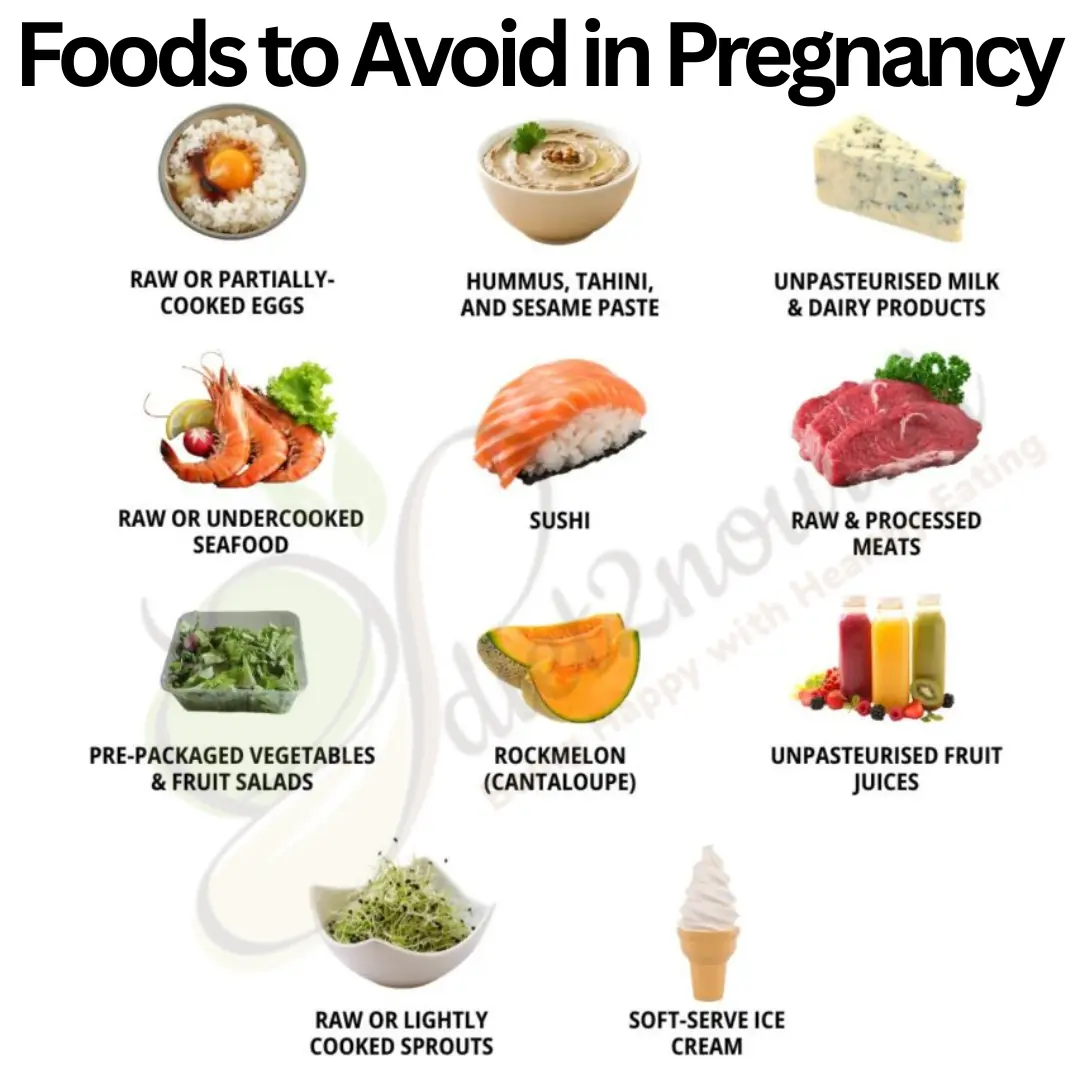
1. Excessive Caffeine:
You must not have more than 200 mg caffeine per day. It would make roughly one 12-ounce cup of brewed coffee. Additionally, its higher intakes can raise the risk of miscarriage.
2. Raw Sprouts:
The biggest risk during the first trimester is infection from the bacteria that get into the seeds before the sprouts grow. Moreover, they are nearly impossible to wash away.
3. Raw or Undercooked Meat and Poultry:
First trimester pregnancy food should always be cooked thoroughly. Moreover, this class of foods includes rare or medium-rare beef, undercooked chicken, and raw eggs in mayonnaise, cookie dough, or Caesar dressing.
4. Raw Fish and Shellfish:
Due to the risk of Bacteria, viruses, and parasites, you must refrain from dishes like sushi that have raw fish in it.
5. High-Mercury Fish:
Large predator fish are the ones that accumulate mercury- the element that interferes with the baby’s nervous system.
Avoid high mercury fish such as:
- Shark
- Swordfish
- King Mackerel
- Tilefish.
Tips for Morning Sickness
Given the nausea in the first trimester, the number one rule is often to eat whatever healthy food you can tolerate in small, frequent amounts!
1. Small and bland carbs
You can have plain crackers, dry toast, or plain biscuits first thing in the morning to settle down your gut a bit.
2. Fluid intake
Have healthy fluids for your hydration by drinking ginger water, lemon water, or electrolyte drinks along with the first trimester pregnancy food.
3. Ginger is gold
You can have ginger in the form of tea, ginger ale, or candied ginger as it can calm your tummy.
4. Protein snacks
To feel less nauseous, you can have easy protein snacks like nuts, yogurt, boiled eggs etc.
5. Cold foods if smells bother
You can go for cold smoothies, chilled fruit bowls, or popsicles if you feel warm food is making you nauseous.
6. Avoid triggers
You must avoid strong smells like that of fried/fatty foods, caffeine, or meat and too much sugar to not get morning sickness.
Conclusion
Lay a strong foundation for your new life with the best First trimester pregnancy food. It is not just a diet plan for you but a strategic program to ensure your baby’s development especially in the first three months. This period comes with a lot of morning sickness and nausea while needing a lot of care. Your diet can ensure your health and help you deal with morning sickness in an organic way.
Frequently asked questions:
Question: What to eat in the first trimester?
Question: What are some Best fruits?
Question: Can I drink coffee?
Question: What to eat if nauseous?