






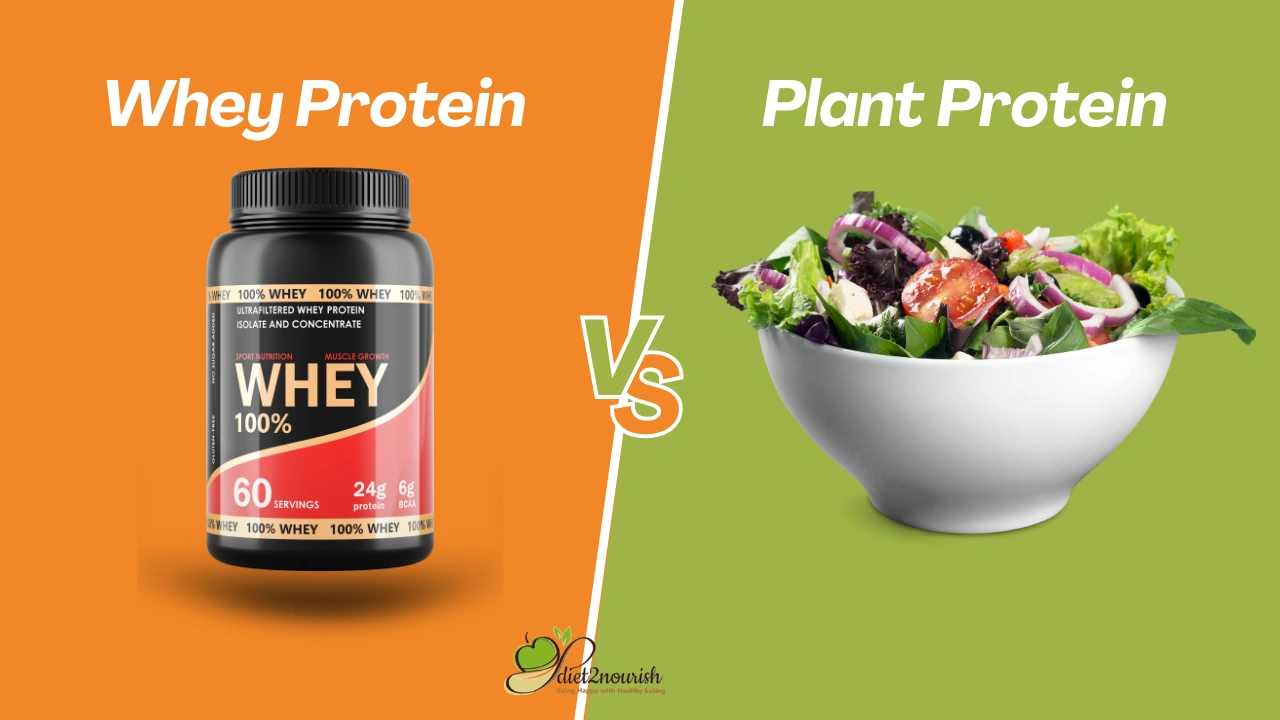
Whey protein Vs Plant protein- if both are protein supplements then which one could be better? Such questions might cross your mind and that’s why you are here. It is great that you want to make an informed choice about your health and choose the right protein for your fitness. Moreover, in this guide you will get automatic answers to all your query regarding the best protein powder for you.
whey protein Vs plant protein- key differences
Whey protein and plant protein cater to different needs and their main aspects of difference are highlighted here:
- Whey is a fast-digesting, complete protein with high BCAA content, which makes it ideal post-workout.
- Plant proteins (pea, hemp, rice) digest really slow and may need additional complete amino acids from the outside source.
- Whey has lactose- the enzyme in it, while plant proteins are totally lactose-free with fiber in them.
Nutritional value of whey protein
For every scoop(30 grams) of whey protein, you can expect:
| Calories | 120-130 kcal |
| Protein | 25-30 grams |
| Fat | 0.5-1 gram |
| Carbohydrates | 1-3 grams |
| Lactose | varies |
Protein content of whey protein:
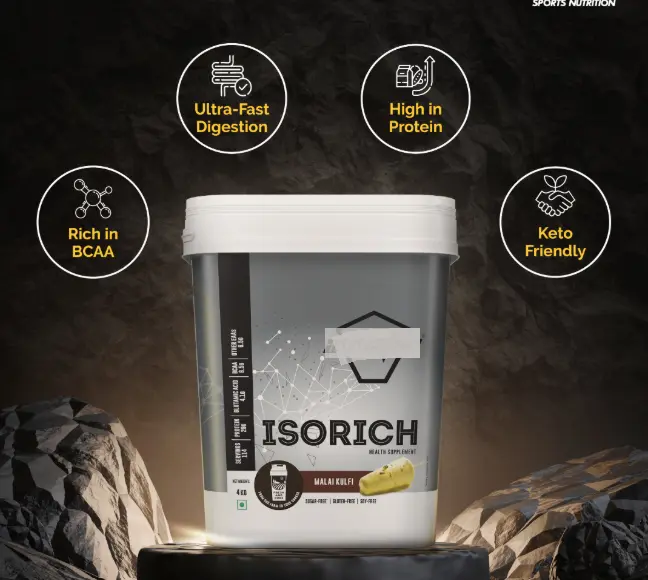
- Whey protein is a high-quality protein source, as it gives 25-30 grams of protein per 30-gram scoop.
- This kind of protein content is good for muscle growth, repair, and feeling full.
- Concentrate and isolate forms vary slightly in their protein percentage, with isolate often being >90% protein.
Pros and cons of whey protein consumption
But to know what to choose between whey protein vs plant protein, you must know about pros and cons of each:
Pros of whey protein:
– Muscle Growth and Repair:
Good for your muscle protein synthesis and recovery in all aspects.
– Convenient Protein Source:
Easy to have post-workout or as a snack to boost your muscles.
– High-Quality Protein:
Rich in essential amino acids (EAAs) and BCAAs.
– Weight Management:
Helps you have lean mass without starving or any other unsafe activity.
Cons of whey protein:
– Lactose Issues:
Can cause digestive issues for some, especially those who have lactose intolerance.
– Allergic Reactions:
In some cases, you may experience allergies or sensitivities.
– Kidney Strain:
High intake may stress kidneys in susceptible cases.
– Processed Nature:
Some of such products have added sugars or artificial ingredients which may harm.
Nutritional value of plant protein
To compare whey protein vs plant protein, you must know the nutritional value of plant protein too:
| Calories | 70-80 kcal |
| Protein | 15-20 grams |
| Fat | 1-3 gram |
| Carbohydrates | 2-5 grams |
| Fibre | 1-3 grams |
Pros and cons of having plant protein
On the other hand, when we compare the pros and cons of plant protein, we get:
Pros of plant protein:
– Easier Digestion:
As compared to other supplements, plant protein is usually gentler on the gut.
– Sustainable Choice:
Since it does not have any environmental impact, these sort of proteins are eco-friendly.
– Rich in Fiber:
Being a lighter choice, it goes easy on your gut health and keeps you full, as needed for fat loss.
– Additional nutrition:
Many plants offer added nutritional perks which can give you a push to your goal.
Cons of plant protein:
To get the right choice between whey protein vs plant protein the cons are:
– Incomplete Proteins:
Some plants lack all essential amino acids which can be a drawback.
– Lower Protein Density:
Sometimes, you may need larger servings for having a planned protein intake due to lower density.
– Phytic Acid:
Present in some cases, it can inhibit the mineral absorption in your body.
– Less Bioavailable:
Some plant proteins are less easily absorbed by the body and can be regarded to be less bio available.
What would suit you?
Choosing between whey protein vs plant protein depends on your goals. You can go with the whey if you’re looking for fast post-workout recovery and muscle gain. Moreover, if you’re okay with dairy too, whey can be a good choice.
You can go for plant protein if you’re vegan or lactose intolerant. Because your dietary needs and allergies, do matter for your fitness goals. If you’re unsure, you can also mix it up or try a blend. Your lifestyle and preferences can guide the best choice for you.
Frequently asked questions
A: You can choose any of them with a low calorie plan. Both can help you with fat loss when used with a calorie deficit. Whey protein’s high protein content and the ability to keep you full might give a slight edge. On the other hand, plant proteins’ fiber content also keeps you full.
A: Yes. Vegetarians can have whey protein if they can digest and eat dairy. However, Vegans should avoid whey as it is made from milk.