





Losing weight in India can feel confusing sometimes. One person tells you to stop eating rice, another says avoid roti, while social media keeps pushing expensive protein powders, imported snacks, and strict diet plans that are difficult to follow in real life.
But the truth is — sustainable weight loss does not require starving yourself or spending thousands on fancy “diet foods.”
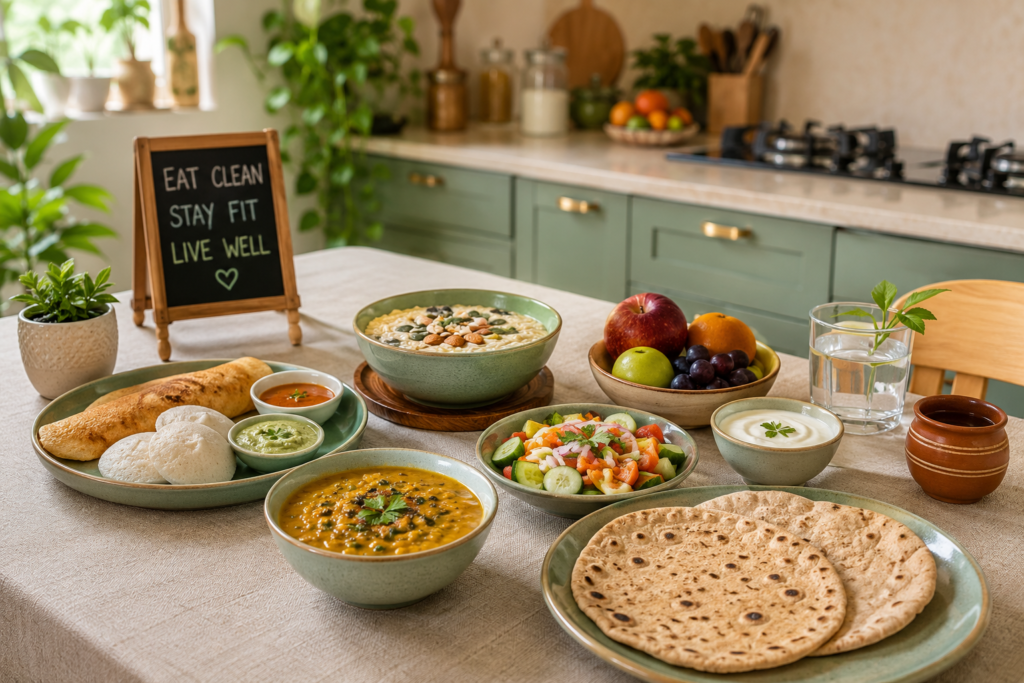
In fact, some of the best foods for healthy weight loss are already present in most Indian kitchens. Simple meals like dal, roti, sabzi, curd, eggs, poha, sprouts, paneer, and seasonal fruits can help you lose weight when eaten in the right quantity and balance.
The biggest mistake many people make is following unrealistic diets that don’t fit Indian lifestyles. Skipping meals, avoiding all carbs, eating too little, or depending only on salads usually leads to cravings, low energy, and eventually weight regain.
A good Indian diet plan for weight loss should be:
- affordable
- easy to follow
- filling
- protein-rich
- family-friendly
- practical for daily life
Whether you are a student, working professional, homemaker, or someone trying to lose post-pregnancy weight, the key is building a diet that works with your routine — not against it.
In this guide, you’ll discover a simple and affordable Indian diet plan for weight loss, including veg and non-veg meal ideas, cheap protein sources, foods to avoid, and practical tips that actually work for Indian households.
What Is the Best Indian Diet Plan for Weight Loss?
The best Indian diet plan for weight loss is one that helps you maintain a calorie deficit while still giving your body enough protein, fiber, healthy fats, and energy. Instead of removing roti, rice, or your favorite Indian foods completely, the focus should be on portion control, balanced meals, and healthier cooking habits.
A simple weight loss diet in India usually includes:
- protein-rich foods like dal, eggs, paneer, curd, chicken, or sprouts
- fiber-rich vegetables and salads
- controlled portions of roti or rice
- healthy snacks instead of processed foods
- enough water and proper meal timing
The biggest advantage of Indian food is that it can be both affordable and nutritious when planned correctly. Homemade meals prepared with simple ingredients often work better for long-term fat loss than expensive crash diets or trendy meal plans.
The goal should not be quick starvation-based weight loss. The real goal is creating healthy eating habits that you can follow consistently without feeling exhausted, hungry, or frustrated.
Why Indian Food Can Actually Help You Lose Weight
Many people believe they need to stop eating Indian food to lose weight. But in reality, traditional Indian meals can support healthy and sustainable weight loss when prepared and balanced properly.
The problem is usually not Indian food itself — it’s overeating, poor portion control, excessive oil, sugary drinks, irregular eating habits, and lack of protein in meals.
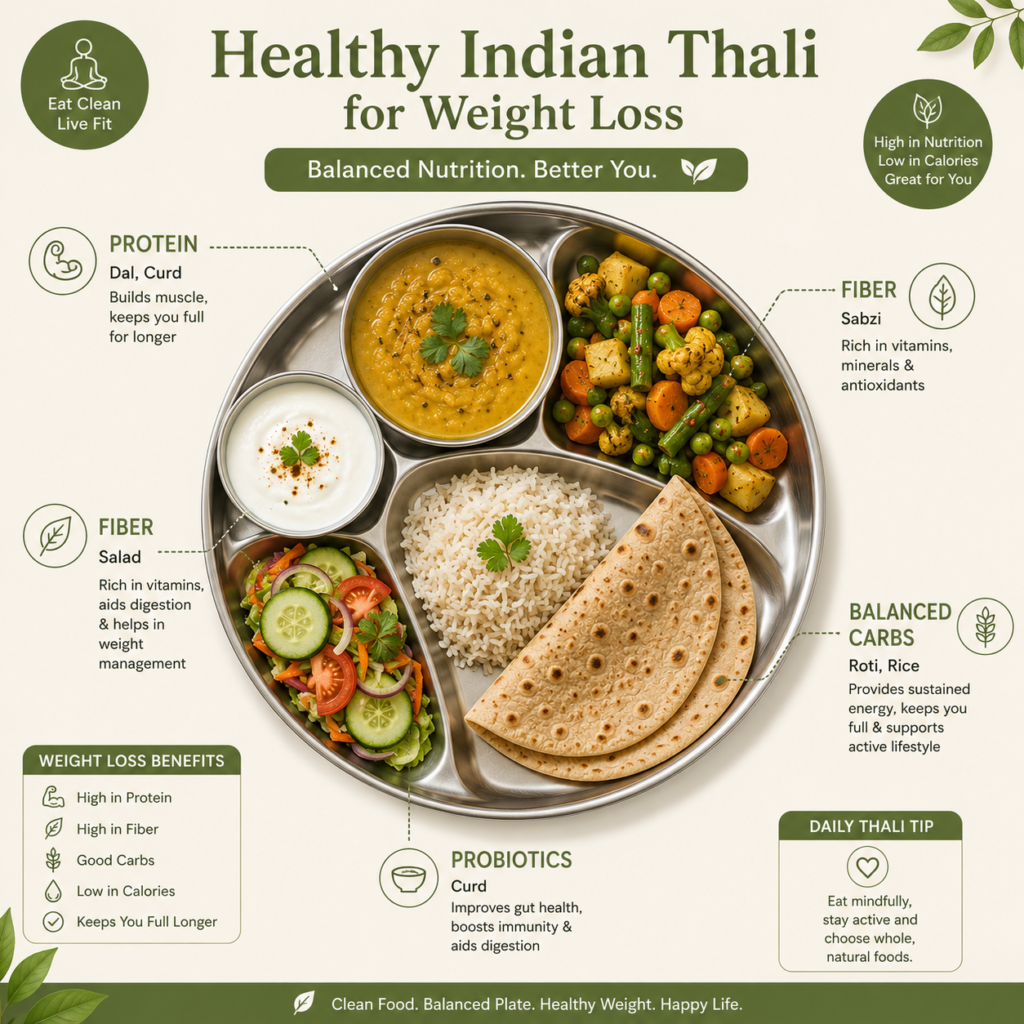
Indian kitchens already include many naturally healthy foods that are rich in nutrients, fiber, and protein.
Dal Provides Protein and Keeps You Full
Dal is one of the most underrated weight loss foods in India. It contains plant-based protein and fiber, which help control hunger and reduce unnecessary snacking.
Options like:
- moong dal
- masoor dal
- toor dal
- chana dal
can easily become part of a healthy fat-loss diet.
When paired with vegetables and controlled portions of rice or roti, dal creates a balanced and filling meal.
Indian Vegetables Are Naturally High in Fiber
Sabzi made with seasonal vegetables can help improve digestion and keep you full for longer.
Vegetables like:
- lauki
- tinda
- bhindi
- cabbage
- spinach
- cauliflower
- beans
are low in calories but high in fiber, making them excellent for weight loss.
The key is avoiding excessive oil, cream, or deep frying.
Roti and Rice Are Not the Enemy
One of the biggest diet myths in India is that roti and rice automatically cause weight gain.
Weight gain usually happens because of:
- oversized portions
- low physical activity
- high-calorie snacks
- sugary beverages
- overeating overall calories
You can still lose weight while eating:
- 1–2 rotis
- controlled rice portions
- homemade khichdi
- dosa or idli in moderation
Balance matters more than completely removing carbs.
Indian Spices Can Support Better Digestion
Traditional Indian spices are not just for taste. Many spices used daily in Indian cooking may support digestion and overall health.
Examples include:
- jeera
- haldi
- ajwain
- ginger
- black pepper
While spices alone won’t burn fat magically, they can help improve digestion and make healthy meals more flavorful without relying on heavy sauces or processed ingredients.
Homemade Indian Food Is More Sustainable
Crash diets often fail because they are difficult to maintain long term.
Homemade Indian meals are:
- affordable
- easy to prepare
- family-friendly
- customizable
- more satisfying
This makes it easier to stay consistent, which is the real secret behind successful weight loss.
A simple home-cooked meal with dal, sabzi, roti, curd, and salad is often far healthier than expensive “diet foods” loaded with hidden sugar and preservatives.
Common Mistakes Indians Make While Trying to Lose Weight
Many people start their weight loss journey with full motivation, but small daily mistakes often slow down results without them realizing it.
The problem is not always lack of effort. In most cases, people follow unhealthy or unrealistic habits that are difficult to maintain long term.
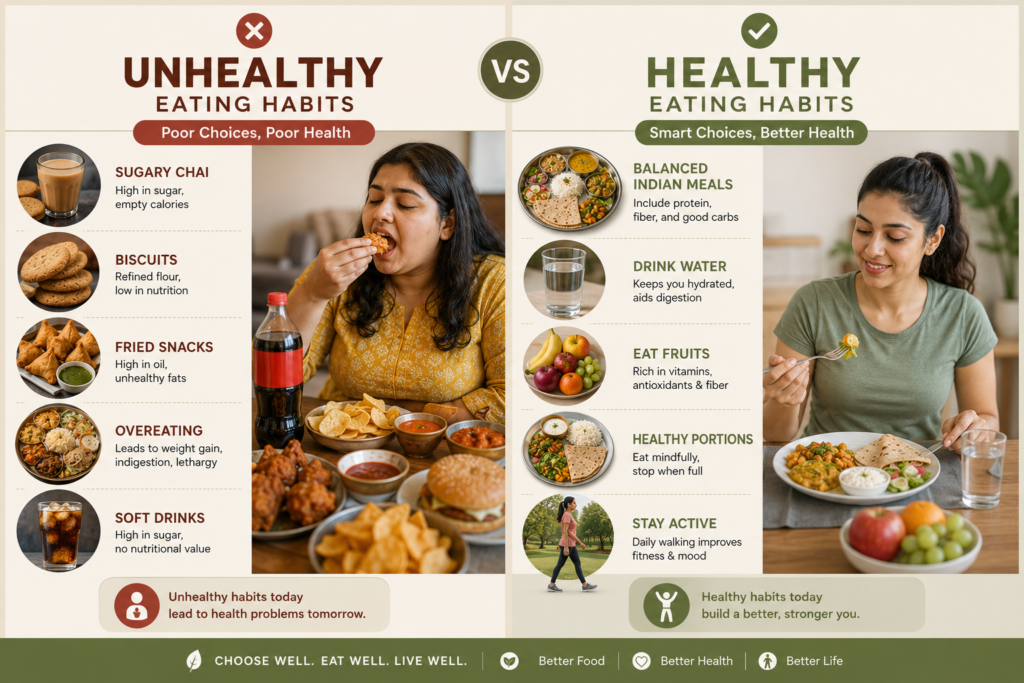
Here are some of the most common mistakes Indians make while trying to lose weight.
Skipping Meals to Eat Fewer Calories
A lot of people think skipping breakfast or lunch will help them lose weight faster.
But in reality, skipping meals often leads to:
- low energy
- intense cravings
- overeating later
- binge eating at night
When the body stays hungry for too long, controlling portions becomes much harder.
Instead of starving yourself, focus on balanced meals with protein and fiber that keep you full for longer.
Eating Too Much “Healthy” Food
Even healthy foods can lead to weight gain when eaten in excess.
Foods like:
- dry fruits
- peanut butter
- smoothies
- granola
- protein bars
- makhana
are healthy, but portion size still matters.
For example, eating a handful of almonds is healthy. Eating an entire bowl while watching Netflix can quietly increase calorie intake.
Not Eating Enough Protein
This is one of the biggest problems in Indian diets.
Many Indian meals are heavily carb-focused and low in protein. A typical meal may include:
- roti
- rice
- potato sabzi
but very little protein.
Low protein intake can:
- increase hunger
- reduce muscle mass
- slow metabolism
- make fat loss harder
Good affordable protein options include:
- eggs
- dal
- paneer
- curd
- chicken
- sprouts
- roasted chana
- soya chunks
Adding protein to every meal can improve satiety and support healthier weight loss.
Drinking Hidden Calories
Many people carefully control food but forget about calories from drinks.
Common high-calorie drinks include:
- sugary chai multiple times daily
- cold drinks
- packaged juices
- flavored coffee
- sweet lassi
- milkshakes
Even extra sugar in tea and coffee throughout the day can significantly increase calorie intake.
Switching to lower-sugar beverages can make a noticeable difference over time.
Depending on Crash Diets
Extremely restrictive diets may show quick weight loss initially, but most people struggle to maintain them.
Common crash diet problems:
- constant hunger
- weakness
- irritability
- hair fall
- binge eating later
- weight regain
Sustainable fat loss always works better than temporary starvation.
Weekend Overeating
Many people stay disciplined Monday to Friday but completely lose control during weekends.
Heavy restaurant meals, desserts, alcohol, late-night snacking, and cheat days can undo an entire week’s calorie deficit.
Weight loss depends on consistency over time, not perfection for a few days.
Ignoring Sleep and Stress
Poor sleep and stress can increase cravings, emotional eating, and hunger hormones.
Late-night scrolling, work stress, and irregular sleep schedules often make healthy eating more difficult.
Good sleep, hydration, and stress management are equally important parts of a successful weight loss journey.
Expecting Instant Results
Healthy weight loss takes time.
Many people quit too early because they expect dramatic changes within a few days. But real fat loss is gradual and sustainable.
Small daily habits repeated consistently usually create the best long-term results.
Affordable Foods You Should Eat for Weight Loss in India
One of the biggest myths about weight loss is that healthy eating is expensive. In reality, many affordable Indian foods can help you lose weight while keeping you full, energized, and satisfied.
You do not need imported snacks, costly supplements, or fancy “diet foods” to become healthier. Simple homemade foods available in most Indian kitchens can work extremely well when combined with proper portions and balanced meals.
Here are some budget-friendly Indian foods that support healthy weight loss.
| Food | Why It Helps in Weight Loss | Approx Budget |
|---|---|---|
| Eggs | High protein, filling, easy to cook | Low |
| Dal | Rich in fiber and plant protein | Low |
| Roasted Chana | Healthy snack with protein and fiber | Low |
| Curd | Good for digestion and satiety | Low |
| Poha | Light and easy breakfast option | Low |
| Oats | Helps control hunger for longer | Medium |
| Paneer | Protein-rich and satisfying | Medium |
| Soya Chunks | Very high protein at low cost | Low |
| Seasonal Fruits | Fiber and natural sweetness | Medium |
| Sprouts | Protein-rich and nutritious | Low |
| Peanuts | Healthy fats and affordable protein | Low |
| Chicken Breast | Lean protein for fat loss | Medium |
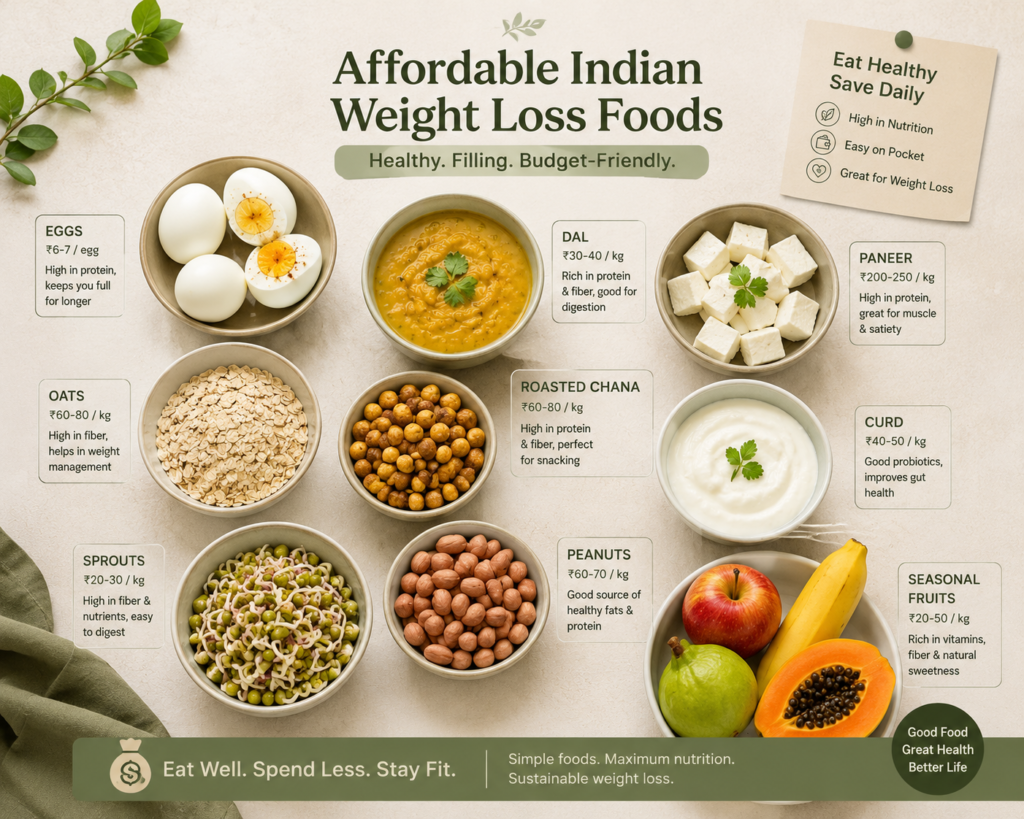
Eggs Are One of the Best Budget Protein Sources
Eggs are affordable, filling, and packed with protein. They help control hunger and reduce unnecessary snacking throughout the day.
Simple options like:
- boiled eggs
- omelette
- egg bhurji
can easily fit into an Indian weight loss diet.
Dal Is a Weight Loss Superfood
Dal is a staple food in many Indian homes and works extremely well for healthy eating.
It provides:
- protein
- fiber
- slow digestion
- better fullness
Moong dal and masoor dal are especially popular for lighter meals and easier digestion.
Soya Chunks Give High Protein at Low Cost
Soya chunks are one of the cheapest high-protein foods available in India.
They are useful for:
- vegetarians
- gym-goers
- people trying to increase protein intake affordably
When cooked properly with vegetables and spices, they become a filling and nutritious meal option.
Curd Supports Digestion and Satiety
Curd is simple, affordable, and commonly available in Indian households.
It can help:
- improve digestion
- cool the stomach
- increase fullness
Unsweetened curd works best for weight loss compared to flavored yogurt loaded with sugar.
Poha and Upma Can Be Healthy Breakfasts
Many people think breakfast must be boring during weight loss.
But simple Indian breakfasts like:
- poha
- vegetable upma
- idli
- besan chilla
can work well when prepared with controlled oil and balanced portions.
Adding peanuts, sprouts, paneer, or eggs can increase protein content further.
Seasonal Fruits Are Better Than Packaged Snacks
Instead of eating chips, biscuits, or sweets during cravings, fruits can be a healthier option.
Good affordable fruit choices include:
- apples
- bananas
- papaya
- guava
- oranges
- watermelon
Seasonal fruits are usually cheaper, fresher, and more nutritious.
Homemade Food Always Wins
Restaurant foods and packaged snacks often contain:
- excess oil
- hidden sugar
- refined flour
- preservatives
Homemade Indian meals give you better control over:
- ingredients
- portions
- oil usage
- nutrition balance
This is why simple ghar ka khana often works best for sustainable fat loss.
Simple Indian Diet Plan for Weight Loss (Veg)
A vegetarian Indian diet can absolutely support healthy and sustainable weight loss when meals are balanced properly. The main goal is to include enough protein, fiber, healthy fats, and controlled portions so you stay full without overeating.
This sample vegetarian Indian diet plan is simple, affordable, and practical for everyday life.
Morning Routine (Empty Stomach)
Start your day with:
- 1–2 glasses of water
- warm lemon water (optional)
- soaked chia seeds or soaked methi seeds (optional)
This helps improve hydration and digestion in the morning.
Avoid starting your day with sugary tea and biscuits regularly.
Breakfast Options
Choose one healthy breakfast option:
Option 1
- Vegetable poha
- 1 boiled egg or sprouts on the side
Option 2
- 2 besan chilla with mint chutney
Option 3
- Oats cooked with vegetables
Option 4
- Idli with sambhar
Option 5
- Paneer sandwich using brown or multigrain bread
A good breakfast should contain:
- protein
- fiber
- moderate carbs
This helps reduce cravings later in the day.
Mid-Morning Snack
Choose one:
- apple
- papaya
- guava
- orange
- coconut water
- buttermilk
Avoid packaged juices and sugary drinks.
Lunch
A balanced Indian lunch can look like this:
- 1–2 rotis OR controlled rice portion
- 1 bowl dal
- 1 bowl sabzi
- salad
- curd
Try to include protein in every lunch meal.
Good sabzi options:
- lauki
- bhindi
- cabbage
- beans
- spinach
- cauliflower
Avoid excessive oil and deep-fried foods regularly.
Evening Snack
This is where many people overeat unhealthy foods.
Instead of:
- samosa
- biscuits
- chips
- sugary chai
choose healthier snacks like:
- roasted chana
- makhana
- sprouts chaat
- black coffee without sugar
- green tea
- peanuts in controlled portions
Dinner
Dinner should be lighter than lunch.
Healthy Dinner Ideas
Option 1
- 2 rotis with paneer bhurji and salad
Option 2
- Moong dal khichdi with curd
Option 3
- Vegetable soup with paneer
Option 4
- Stir-fried vegetables with soya chunks
Option 5
- Dal with sautéed vegetables
Try to finish dinner at least 2–3 hours before sleeping.
Simple Vegetarian Weight Loss Tips
Increase Protein Intake
Many vegetarian diets are low in protein. Include:
- paneer
- curd
- dal
- sprouts
- soya chunks
- tofu
- peanuts
daily in proper portions.
Don’t Fear Carbs
You do not need to completely stop:
- roti
- rice
- poha
- idli
Portion control matters more than removing carbs entirely.
Stay Consistent
The best diet plan is the one you can follow long term.
Simple homemade Indian meals are often more sustainable and effective than extreme crash diets.
Indian Non-Veg Diet Plan for Weight Loss
A non-vegetarian Indian diet can make weight loss easier because protein-rich foods help control hunger, improve satiety, and support muscle maintenance during fat loss.
The key is choosing healthier cooking methods and balancing meals properly instead of depending on fried foods or heavy gravies.
This simple Indian non-veg diet plan focuses on affordable, practical, and easy-to-follow meals.
Morning Routine
Start your day with:
- 1–2 glasses of water
- warm lemon water (optional)
- black coffee without sugar (optional)
Hydration in the morning helps improve digestion and energy levels.
Breakfast Options
Choose one balanced breakfast option.
Option 1
- 2 boiled eggs
- vegetable poha
Option 2
- omelette with vegetables
- 1 multigrain toast
Option 3
- egg bhurji with roti
Option 4
- oats with eggs on the side
Option 5
- idli with sambhar and boiled eggs
A protein-rich breakfast can help reduce cravings throughout the day.
Mid-Morning Snack
Choose one:
- fruit bowl
- buttermilk
- coconut water
- handful of peanuts
- curd
Avoid sugary packaged drinks and snacks.
Lunch
A balanced non-veg lunch should include:
- grilled chicken or fish
- 1–2 rotis OR controlled rice portion
- sabzi
- salad
- curd
Avoid:
- deep-fried chicken
- creamy gravies
- excessive oil
Simple homemade meals usually work best for healthy fat loss.
Evening Snack
Evening hunger is common, especially after work or college.
Better snack options:
- roasted chana
- boiled eggs
- sprouts chaat
- makhana
- black coffee
- green tea
Try to avoid daily consumption of:
- samosa
- namkeen
- bakery snacks
- sugary tea multiple times
Dinner
Dinner should be lighter and protein-focused.
Healthy Dinner Ideas
Option 1
- grilled chicken with sautéed vegetables
Option 2
- egg curry with salad
Option 3
- chicken soup with vegetables
Option 4
- fish with stir-fried vegetables
Option 5
- paneer and egg combination meal
Avoid very heavy late-night dinners regularly.
Best Non-Veg Foods for Weight Loss
Eggs
Eggs are affordable, filling, and rich in protein.
Chicken Breast
Lean chicken provides high-quality protein with lower fat compared to fried options.
Fish
Fish is lighter, nutritious, and a good source of protein.
Curd
Curd supports digestion and can help improve fullness.
Homemade Soups
Chicken and vegetable soups can be filling without being extremely high in calories.
Cooking Tips for Healthier Weight Loss Meals
Small cooking changes can make a huge difference.
Better Cooking Methods
- grilling
- air frying
- roasting
- boiling
- steaming
Avoid Excess
- deep frying
- heavy cream
- excessive butter
- sugary sauces
The goal is not eating bland food — it’s making smarter cooking choices.
Can Non-Veg Help You Lose Weight Faster?
Protein-rich diets may help improve satiety and preserve muscle during weight loss, which can make fat loss easier when combined with proper calorie control and physical activity.
However, portion size still matters.
Eating large quantities of fried chicken, biryani, or fast food regularly can still lead to weight gain even if the meal contains protein.
Consistency and balance always matter more than extreme dieting.
7-Day Indian Diet Chart for Weight Loss
This simple 7-day Indian diet chart is designed for people looking for practical, affordable, and sustainable weight loss using everyday Indian foods.
The goal is not starvation. The goal is balanced eating, better portion control, and healthier meal choices that you can follow consistently.
You can adjust portion sizes based on your:
- age
- activity level
- gender
- weight loss goals
- medical conditions
Day 1
| Meal | Food |
|---|---|
| Morning | Warm water + soaked chia seeds |
| Breakfast | Vegetable poha + boiled eggs |
| Mid-Morning | Apple |
| Lunch | 2 rotis + dal + mixed sabzi + salad |
| Evening Snack | Roasted chana + green tea |
| Dinner | Paneer bhurji + salad |
Day 2
| Meal | Food |
|---|---|
| Morning | Lemon water |
| Breakfast | Besan chilla + mint chutney |
| Mid-Morning | Coconut water |
| Lunch | Rice + rajma + cucumber salad |
| Evening Snack | Makhana |
| Dinner | Vegetable soup + sautéed paneer |
Day 3
| Meal | Food |
|---|---|
| Morning | Warm water |
| Breakfast | Oats with vegetables |
| Mid-Morning | Papaya |
| Lunch | 2 rotis + chicken curry + salad |
| Evening Snack | Boiled eggs |
| Dinner | Moong dal khichdi + curd |
Day 4
| Meal | Food |
|---|---|
| Morning | Jeera water |
| Breakfast | Idli + sambhar |
| Mid-Morning | Guava |
| Lunch | Grilled fish/chicken + vegetables |
| Evening Snack | Sprouts chaat |
| Dinner | Dal + stir-fried vegetables |
Day 5
| Meal | Food |
|---|---|
| Morning | Lemon water |
| Breakfast | Paneer sandwich |
| Mid-Morning | Buttermilk |
| Lunch | 2 rotis + chana masala + salad |
| Evening Snack | Peanuts in controlled quantity |
| Dinner | Vegetable oats + curd |
Day 6
| Meal | Food |
|---|---|
| Morning | Warm water |
| Breakfast | Omelette + toast |
| Mid-Morning | Orange |
| Lunch | Rice + dal + bhindi sabzi |
| Evening Snack | Roasted makhana |
| Dinner | Grilled chicken + salad |
Day 7
| Meal | Food |
|---|---|
| Morning | Chia seed water |
| Breakfast | Upma with vegetables |
| Mid-Morning | Watermelon |
| Lunch | 2 rotis + paneer curry + salad |
| Evening Snack | Black coffee + roasted chana |
| Dinner | Soup + sautéed vegetables |
Important Tips While Following This Diet Plan
Drink Enough Water
Try to stay hydrated throughout the day. Sometimes people confuse thirst with hunger.
Control Portion Sizes
Even healthy food can lead to weight gain when eaten excessively.
Include Protein in Every Meal
Protein helps control hunger and supports better fat loss.
Affordable protein options:
- eggs
- dal
- paneer
- curd
- chicken
- soya chunks
- sprouts
Avoid Extreme Dieting
Crash diets may give temporary results, but they are difficult to maintain long term.
Stay Physically Active
Even simple activities like:
- walking
- stair climbing
- yoga
- home workouts
can support healthy weight loss when combined with a balanced diet.
Is This Diet Plan Suitable for Everyone?
This general Indian weight loss diet chart may work for many healthy adults, but people with conditions like:
- diabetes
- thyroid disorders
- PCOS
- high blood pressure
- digestive issues
may require a more personalized diet plan.
A customized meal plan from a qualified dietitian can help create safer and more effective long-term results.
Indian Plate Method for Weight Loss
One of the easiest ways to lose weight without counting every calorie is by using the Indian Plate Method.
Instead of following complicated diet rules, this method helps you build balanced meals using simple visual portion control. It works well for Indian households because you can continue eating regular homemade food while managing your overall calorie intake.
The idea is simple — balance your plate properly instead of completely removing your favorite foods.
What Should an Ideal Weight Loss Plate Look Like?
A healthy Indian weight loss plate should roughly include:
- 50% vegetables and salad
- 25% protein
- 25% carbohydrates
This balance helps improve:
- fullness
- digestion
- energy levels
- portion control
- protein intake
while reducing unnecessary overeating.
50% Vegetables and Salad
Half your plate should contain fiber-rich vegetables.
Examples:
- cucumber
- carrot
- spinach
- cabbage
- beans
- lauki
- bhindi
- cauliflower
- broccoli
- mixed salad
Vegetables are naturally low in calories and high in fiber, which helps you feel full without consuming excess calories.
Try to include:
- cooked vegetables
- raw salad
- lightly sautéed sabzi
in most meals.
25% Protein
Protein is one of the most important nutrients during weight loss because it helps:
- reduce hunger
- improve satiety
- maintain muscle
- control cravings
Good Indian protein sources include:
- dal
- paneer
- curd
- eggs
- chicken
- fish
- sprouts
- soya chunks
- tofu
Many Indian diets are low in protein, which is why adding protein to every meal can make a huge difference.
25% Healthy Carbohydrates
You do not need to completely stop eating carbs to lose weight.
Healthy carb options include:
- roti
- rice
- oats
- poha
- idli
- dosa
- sweet potato
The key is portion control.
Eating controlled portions of carbs with enough protein and vegetables works far better than extreme carb restriction for most people.
Why the Indian Plate Method Works
Many people overeat because their meals are:
- too carb-heavy
- low in protein
- low in fiber
For example:
- large rice portions
- extra rotis
- fried snacks
- very little vegetables
This can increase hunger and make calorie control difficult.
The Indian Plate Method naturally improves meal balance without making dieting feel stressful or restrictive.
Simple Example of a Balanced Indian Weight Loss Plate
Lunch Example
- 1–2 rotis
- 1 bowl dal
- 1 bowl sabzi
- salad
- curd
Dinner Example
- grilled chicken/paneer
- sautéed vegetables
- small rice portion
These meals are:
- affordable
- practical
- family-friendly
- easy to maintain long term
Common Portion Control Mistakes
Many people unknowingly eat excess calories through:
- oversized rice portions
- repeated servings
- excess oil
- sugary drinks
- frequent snacking
Even healthy homemade food requires balance.
Using a smaller plate, eating slowly, and increasing vegetables can help improve portion control naturally.
Do You Need to Count Calories?
Not always.
For beginners, simply improving:
- meal balance
- protein intake
- portion control
- consistency
can already lead to noticeable weight loss.
However, people with specific goals or medical conditions may benefit from a more personalized nutrition plan created by a qualified dietitian.
Best Indian Breakfasts for Weight Loss
Breakfast plays an important role in managing hunger, energy levels, and cravings throughout the day. A balanced breakfast can help you stay full for longer and reduce unnecessary snacking later.
The problem is that many common Indian breakfast habits are either:
- too sugary
- too oily
- low in protein
- highly processed
A healthy Indian breakfast for weight loss should include:
- protein
- fiber
- moderate healthy carbs
- controlled portions
The good news is that you don’t need fancy or expensive foods. Many simple Indian breakfast options can support healthy fat loss when prepared properly.
Vegetable Poha
Poha is one of the most popular Indian breakfast options because it is:
- light
- easy to digest
- affordable
- quick to prepare
To make poha more weight-loss friendly:
- add vegetables
- reduce excess oil
- include peanuts in moderation
- pair it with boiled eggs or sprouts for extra protein
Besan Chilla
Besan chilla is a great protein-rich breakfast option.
You can add:
- onion
- tomato
- spinach
- paneer
to improve nutrition and satiety.
Compared to deep-fried breakfast foods, besan chilla is usually more filling and balanced.
Idli and Sambhar
Idli is often easier to digest compared to heavy fried breakfasts.
When paired with sambhar, it provides:
- carbohydrates
- fiber
- protein from dal
This combination works well as a lighter breakfast option.
Avoid excessive coconut chutney portions if you are trying to control calories.
Oats with Indian Flavors
Many people think oats are boring, but they can easily be adapted to Indian taste preferences.
You can prepare:
- vegetable oats
- masala oats
- oats upma
Adding vegetables and protein sources can make oats much more satisfying.
Eggs and Omelette
Eggs are one of the best affordable breakfast foods for weight loss.
Benefits include:
- high protein
- better fullness
- easy preparation
- budget-friendly nutrition
Healthy options:
- boiled eggs
- vegetable omelette
- egg bhurji
Avoid pairing eggs regularly with large amounts of buttered bread or fried foods.
Sprouts Chaat
Sprouts are rich in:
- protein
- fiber
- nutrients
A simple sprouts chaat with onion, tomato, cucumber, and lemon can work as a healthy breakfast or snack.
Paneer-Based Breakfasts
Paneer is filling and protein-rich.
Healthy options include:
- paneer sandwich
- paneer bhurji
- paneer-stuffed chilla
Use controlled oil and balanced portions for better results.
Breakfast Mistakes That Can Slow Weight Loss
Many common breakfast habits can quietly increase calorie intake.
Common Problems
- tea with too much sugar
- biscuits every morning
- fried snacks
- skipping breakfast completely
- packaged cereals with hidden sugar
These habits often lead to:
- low energy
- cravings
- overeating later
What Makes a Good Weight Loss Breakfast?
A healthy breakfast should:
- keep you full
- provide stable energy
- include protein
- control cravings
The best breakfast is not the most expensive one — it’s the one you can follow consistently while supporting your health and weight loss goals.
Best Cheap Protein Sources in India for Fat Loss
Protein is one of the most important nutrients for healthy weight loss, but many Indian diets are naturally low in protein. This is one of the biggest reasons people feel hungry quickly, struggle with cravings, and lose muscle during dieting.
The good news is that increasing protein intake does not have to be expensive.
India already has many affordable protein-rich foods that can support fat loss while fitting into a normal household budget.
Why Protein Is Important for Weight Loss
Protein helps:
- keep you full for longer
- reduce unnecessary snacking
- support muscle maintenance
- improve satiety
- control cravings
When meals contain enough protein, it becomes easier to stay in a calorie deficit without constantly feeling hungry.
Eggs
Eggs are one of the cheapest and most effective protein sources available in India.
Benefits:
- affordable
- filling
- easy to cook
- high-quality protein
Healthy ways to eat eggs:
- boiled eggs
- omelette with vegetables
- egg bhurji
Avoid deep-fried preparations regularly.
Soya Chunks
Soya chunks are extremely high in protein while being very budget-friendly.
They are especially useful for:
- vegetarians
- students
- gym-goers
- people trying to increase protein affordably
When cooked with vegetables and Indian spices, they become a filling meal option.
Dal
Dal is a staple protein source in Indian households.
Popular options:
- moong dal
- masoor dal
- chana dal
- toor dal
Dal also contains fiber, which helps improve fullness and digestion.
Combining dal with vegetables and controlled carb portions creates a balanced meal.
Paneer
Paneer is rich in protein and works well in vegetarian diets.
Healthy paneer meal ideas:
- paneer bhurji
- grilled paneer
- paneer salad
- paneer chilla stuffing
Portion size still matters because paneer can be calorie-dense when eaten excessively.
Curd
Curd is affordable, easy to include daily, and supports digestion.
It can help:
- improve gut health
- increase fullness
- cool digestion
Plain homemade curd is usually better than flavored yogurt with added sugar.
Roasted Chana
Roasted chana is one of the best healthy Indian snacks for weight loss.
Benefits:
- affordable
- protein-rich
- high fiber
- easy to carry
It can help reduce cravings between meals.
Chicken Breast
For non-vegetarians, chicken breast is one of the best lean protein options.
Compared to fried fast food chicken, homemade grilled or lightly cooked chicken is much healthier for fat loss.
Sprouts
Sprouts provide:
- plant protein
- fiber
- vitamins
- minerals
Sprouts chaat with vegetables and lemon can work as a healthy breakfast or evening snack.
Peanuts
Peanuts are affordable and contain:
- protein
- healthy fats
- fiber
However, moderation is important because peanuts are calorie-dense.
A small handful works better than overeating directly from large packets.
Simple Ways to Increase Protein in Indian Meals
Many people unknowingly eat meals that are mostly carbs.
Simple improvements include:
- adding curd with lunch
- including eggs in breakfast
- increasing dal quantity
- using paneer or sprouts in snacks
- adding soya chunks to sabzi
- choosing protein-based evening snacks
Small daily changes can significantly improve nutrition quality over time.
How Much Protein Do You Need?
Protein requirements vary depending on:
- age
- activity level
- body weight
- fitness goals
People trying to lose weight usually benefit from higher protein intake compared to extremely carb-heavy diets.
For personalized nutrition planning, especially for conditions like PCOS, thyroid disorders, diabetes, or obesity, consulting a qualified dietitian can help create a more balanced and sustainable approach.
Foods to Avoid During Weight Loss
Weight loss is not only about eating healthy foods. It is also about identifying the foods and habits that quietly increase calorie intake without providing proper nutrition.
Many common foods eaten daily in Indian households can slow fat loss when consumed excessively, especially processed snacks, sugary drinks, and deep-fried foods.
The goal is not complete restriction. The real goal is moderation and smarter choices.
Sugary Tea and Coffee
Many people consume multiple cups of chai or coffee every day with:
- extra sugar
- full-fat milk
- biscuits
- namkeen
These small calories add up quickly over time.
Even reducing sugar gradually can make a noticeable difference in overall calorie intake.
Soft Drinks and Packaged Juices
Cold drinks and packaged juices are loaded with sugar and usually provide very little satiety.
These drinks can:
- increase cravings
- spike hunger
- increase calorie intake rapidly
Better alternatives:
- water
- coconut water
- buttermilk
- lemon water
- unsweetened tea
Fried Snacks
Common fried snacks like:
- samosa
- pakora
- kachori
- chips
- fries
are often very high in calories and unhealthy fats.
Eating them occasionally is fine, but daily consumption can make weight loss much harder.
Bakery Foods
Bakery items often contain:
- refined flour
- sugar
- unhealthy fats
- excess calories
Examples:
- pastries
- cream biscuits
- cakes
- puffs
- donuts
These foods are usually low in protein and fiber, which means they do not keep you full for long.
Excessive Fast Food
Frequent consumption of:
- pizza
- burgers
- fried chicken
- instant noodles
can increase calorie intake significantly.
Restaurant foods also tend to contain:
- hidden oils
- excess sodium
- sugary sauces
- oversized portions
Homemade alternatives are usually healthier and easier to control.
Overeating Healthy Foods
Even healthy foods can become a problem when eaten excessively.
Examples:
- dry fruits
- peanut butter
- makhana
- smoothies
- granola
These foods are nutritious but still calorie-dense.
Portion control matters with every food.
Late-Night Snacking
Eating heavy meals or snacks very late at night may lead to:
- overeating
- poor digestion
- unnecessary calorie intake
Late-night cravings often involve:
- sweets
- chips
- instant noodles
- desserts
Creating regular meal timings can help improve appetite control.
Highly Processed “Diet” Foods
Many packaged “healthy” products marketed for weight loss contain:
- hidden sugar
- preservatives
- refined ingredients
Examples:
- diet chips
- protein cookies
- flavored yogurt
- packaged granola bars
Always check ingredient labels instead of trusting marketing claims.
Extreme Food Restriction Is Also Harmful
Completely banning your favorite foods often leads to:
- cravings
- binge eating
- frustration
- quitting the diet
A sustainable diet should allow flexibility.
Healthy weight loss works better when you focus on:
- balance
- consistency
- portion control
- smarter choices
instead of perfection.
Weight Loss Tips That Actually Work in Indian Households
Losing weight sounds simple in theory, but real life in Indian households can make consistency difficult. Family dinners, festivals, chai breaks, emotional eating, office snacks, late-night cravings, and eating outside regularly can all affect progress.
This is why practical habits usually work better than strict crash diets.
Here are realistic weight loss tips that are easier to follow in everyday Indian lifestyles.
Don’t Try to Change Everything Overnight
One of the biggest mistakes people make is starting extremely strict diets suddenly.
Examples:
- completely stopping rice
- surviving only on salads
- skipping meals
- avoiding all favorite foods
These approaches usually become difficult to maintain.
Instead, focus on small improvements like:
- reducing sugar
- improving portions
- increasing protein
- walking daily
Consistency matters more than perfection.
Control Oil Without Making Food Tasteless
Indian food often becomes calorie-heavy because of excessive oil usage.
Simple changes can help:
- measure oil while cooking
- avoid repeated frying
- choose grilled or roasted foods more often
- reduce creamy gravies regularly
Healthy food does not need to be bland.
Learn Portion Control Instead of Extreme Restriction
You can still enjoy:
- roti
- rice
- sweets
- snacks
occasionally while losing weight.
The real issue is usually quantity, not the food itself.
Using smaller plates and eating slowly can naturally improve portion control.
Increase Daily Movement
Many people focus only on diet and ignore physical activity.
You do not need expensive gym memberships to start becoming active.
Simple activities help:
- walking after meals
- stair climbing
- home workouts
- yoga
- stretching
- household activity
Even 30–45 minutes of movement daily can support fat loss.
Avoid Drinking Your Calories
Calories from beverages are often ignored.
Reducing:
- sugary chai
- cold drinks
- sweet coffee
- packaged juices
can significantly improve calorie control.
Try replacing them with:
- water
- green tea
- black coffee without sugar
- buttermilk
- coconut water
Don’t Keep Junk Food Easily Available
Environment matters a lot during weight loss.
If chips, sweets, biscuits, and sugary snacks are always visible at home, resisting cravings becomes harder.
Keeping healthier options nearby can help:
- fruits
- roasted chana
- makhana
- sprouts
- peanuts in moderation
Handle Cravings Smartly
Cravings are normal.
Instead of trying to suppress them completely:
- eat controlled portions
- avoid emotional binge eating
- plan occasional treats
Strict restriction often increases cravings later.
Sleep Properly
Poor sleep can increase:
- hunger
- cravings
- emotional eating
- low energy
Late-night scrolling and irregular sleep schedules often affect eating habits more than people realize.
Aim for better sleep consistency whenever possible.
Focus on Long-Term Habits
Healthy weight loss is not about surviving for 10 days on extreme diets.
The real goal is creating habits you can maintain for months and years.
Simple habits repeated consistently usually create better results than temporary motivation.
Don’t Compare Your Journey With Others
Weight loss speed depends on many factors:
- age
- hormones
- activity level
- stress
- sleep
- medical conditions
- genetics
Comparing yourself constantly with social media transformations can create unrealistic expectations.
Focus on gradual progress, better health, and consistency instead of chasing instant results.
Can You Lose Weight Without Gym?
Yes, it is absolutely possible to lose weight without going to the gym.
Many people successfully lose weight by improving their diet, increasing daily activity, and staying consistent with healthier habits. In fact, for most beginners, nutrition and calorie control usually have a bigger impact on weight loss than intense workouts alone.
The biggest mistake people make is believing:
“If I can’t join a gym, I can’t lose weight.”
That is not true.
Diet Plays the Biggest Role in Weight Loss
Weight loss mainly depends on maintaining a calorie deficit, which means your body burns more calories than you consume.
Even daily gym workouts may not help much if:
- portion sizes are too large
- protein intake is low
- sugary drinks are frequent
- snacking is uncontrolled
This is why balanced eating habits are extremely important.
Walking Can Make a Huge Difference
Walking is one of the easiest and most sustainable forms of physical activity.
Benefits:
- beginner-friendly
- low impact
- free
- easy to maintain
Simple habits help:
- walking after meals
- using stairs
- walking during calls
- short evening walks
Consistency matters more than intensity initially.
Home Workouts Can Be Effective
You do not need expensive equipment to become active.
Basic home exercises include:
- squats
- lunges
- push-ups
- skipping
- yoga
- stretching
- bodyweight workouts
Even 20–30 minutes of regular movement can support better fitness and fat loss when combined with proper nutrition.
Daily Lifestyle Activity Matters More Than People Think
Small activities throughout the day also burn calories.
Examples:
- cleaning
- cooking
- standing more
- household work
- carrying groceries
- moving regularly
A sedentary lifestyle with long sitting hours can reduce calorie burn significantly.
Sleep and Stress Also Affect Weight Loss
Many people focus only on exercise while ignoring:
- poor sleep
- stress
- emotional eating
- irregular routines
These factors can increase cravings and make consistency harder.
A healthy lifestyle works best when:
- sleep improves
- stress is managed
- meals become balanced
- activity levels increase gradually
Gym Is Helpful but Not Mandatory
Gyms can definitely help with:
- muscle building
- structured training
- motivation
- faster fitness improvements
But they are not the only path to healthy weight loss.
Many people lose weight successfully by:
- eating balanced homemade meals
- walking daily
- staying active
- improving consistency
The most effective plan is the one you can realistically follow long term.
When Should You Consider Professional Guidance?
If you:
- struggle with emotional eating
- have PCOS or thyroid issues
- feel constantly hungry
- keep regaining weight
- feel confused about nutrition
then a personalized diet and lifestyle plan from a qualified dietitian may help create a more structured and sustainable approach.
When Should You Consult a Dietitian?
Many people can improve their health by making simple lifestyle changes, but sometimes general diet advice from the internet is not enough.
Every person’s body, routine, metabolism, medical condition, and eating habits are different. A diet plan that works for one person may not work properly for someone else.
This is where professional guidance from a qualified dietitian can help.
You Have Tried Multiple Diets but Still Can’t Lose Weight
One of the most common problems people face is:
- losing weight temporarily
- regaining it quickly
- feeling stuck despite dieting
This often happens because the diet:
- is too restrictive
- lacks proper nutrition
- is not sustainable
- does not match your lifestyle
A personalized diet plan can help create a more realistic and long-term approach.
You Have PCOS, Thyroid, or Hormonal Issues
Conditions like:
- PCOS
- hypothyroidism
- insulin resistance
- hormonal imbalance
can affect:
- metabolism
- cravings
- energy levels
- weight management
A dietitian can help adjust meal planning according to your condition instead of following random internet advice.
You Have Diabetes or High Blood Pressure
Medical conditions require more careful nutrition planning.
A professional dietitian can help manage:
- blood sugar levels
- portion control
- sodium intake
- meal timing
- healthy weight management
while ensuring nutritional balance.
You Feel Hungry All the Time
Constant hunger usually signals that your meals may be:
- low in protein
- low in fiber
- unbalanced
- too restrictive
A proper nutrition plan can help improve satiety and reduce unnecessary cravings.
You Are Confused by Too Much Information Online
The internet is full of conflicting advice:
- stop carbs
- eat only salads
- intermittent fasting
- detox drinks
- keto diet
- no rice
- no roti
This confusion often leads to frustration and inconsistency.
A dietitian can help simplify things based on your:
- goals
- lifestyle
- food preferences
- health conditions
You Want a Personalized Indian Diet Plan
Generic diet charts do not always fit:
- Indian eating habits
- family routines
- office schedules
- regional food preferences
A personalized Indian meal plan is usually easier to follow long term because it matches your real lifestyle.
You Struggle With Emotional or Stress Eating
Stress, anxiety, boredom, and emotional triggers can strongly affect eating habits.
If you frequently:
- binge eat
- stress snack
- emotionally overeat
- lose control around food
professional guidance may help create healthier patterns and better structure.
You Want Sustainable Results Instead of Temporary Weight Loss
Crash diets may show fast results initially, but long-term success depends on:
- consistency
- balanced nutrition
- realistic habits
- proper guidance
Healthy weight loss should improve:
- energy
- digestion
- confidence
- overall health
—not just the number on the scale.
Get a Personalized Diet Plan From a Dietitian in Delhi
If you are looking for a practical and sustainable Indian diet plan for weight loss, working with a qualified dietitian can help you create a meal plan based on:
- your lifestyle
- food preferences
- medical history
- daily routine
- weight loss goals
A personalized approach is often easier to maintain compared to generic online diet charts because it is designed specifically for your body and routine. – Click here to enquire
Frequently Asked Questions
What is the best Indian diet plan for weight loss?
The best Indian diet plan for weight loss is one that includes balanced meals with proper protein, fiber, healthy fats, and controlled portions. Simple homemade foods like dal, roti, sabzi, curd, eggs, paneer, fruits, and salads can support healthy and sustainable fat loss when eaten consistently.
Can I lose weight while eating roti and rice?
Yes, you can lose weight while eating roti and rice. Weight gain is usually caused by overeating and excess calorie intake, not by a single food item. Portion control and meal balance matter more than completely avoiding carbs.
Which Indian breakfast is best for weight loss?
Healthy Indian breakfast options for weight loss include:
- vegetable poha
- besan chilla
- idli with sambhar
- oats upma
- boiled eggs
- sprouts chaat
- paneer sandwich
A good breakfast should contain protein and fiber to keep you full for longer.
Is a vegetarian Indian diet good for weight loss?
Yes, a vegetarian Indian diet can work very well for weight loss when it includes enough protein-rich foods like:
- dal
- paneer
- curd
- sprouts
- soya chunks
- tofu
Balanced vegetarian meals can support healthy and sustainable fat loss.
How much weight can I lose in one month?
Healthy weight loss varies from person to person depending on factors like:
- age
- activity level
- metabolism
- medical conditions
- consistency
Gradual and sustainable weight loss is generally safer and easier to maintain long term compared to extreme crash dieting.
What are the cheapest protein foods in India?
Affordable protein-rich foods in India include:
- eggs
- dal
- soya chunks
- roasted chana
- curd
- peanuts
- sprouts
- paneer
These foods can help improve satiety and support fat loss without increasing food expenses significantly.
Can I lose weight without gym?
Yes, many people lose weight successfully without going to the gym by improving their diet, increasing daily activity, walking regularly, and maintaining consistency with healthier habits.
Should I stop eating carbs completely?
No, completely avoiding carbs is usually unnecessary for most people. Controlled portions of healthy carbs like roti, rice, oats, poha, and idli can still be part of a balanced weight loss diet.
Are cheat meals allowed during weight loss?
Occasional treats or cheat meals are usually fine when eaten in moderation. Completely restricting favorite foods often increases cravings and makes dieting harder to maintain long term.
When should I consult a dietitian for weight loss?
You should consider consulting a dietitian if you:
- have PCOS, thyroid, or diabetes
- struggle with emotional eating
- keep regaining weight
- feel confused about diet planning
- want a personalized Indian meal plan
A customized approach can help create safer and more sustainable results based on your lifestyle and health goals.